
28
2025
-
12
DIY hook plastic cable tie installation tips
Author:
DIY Hook Installation with Plastic Zip Ties: Practical Techniques for Everyday Use
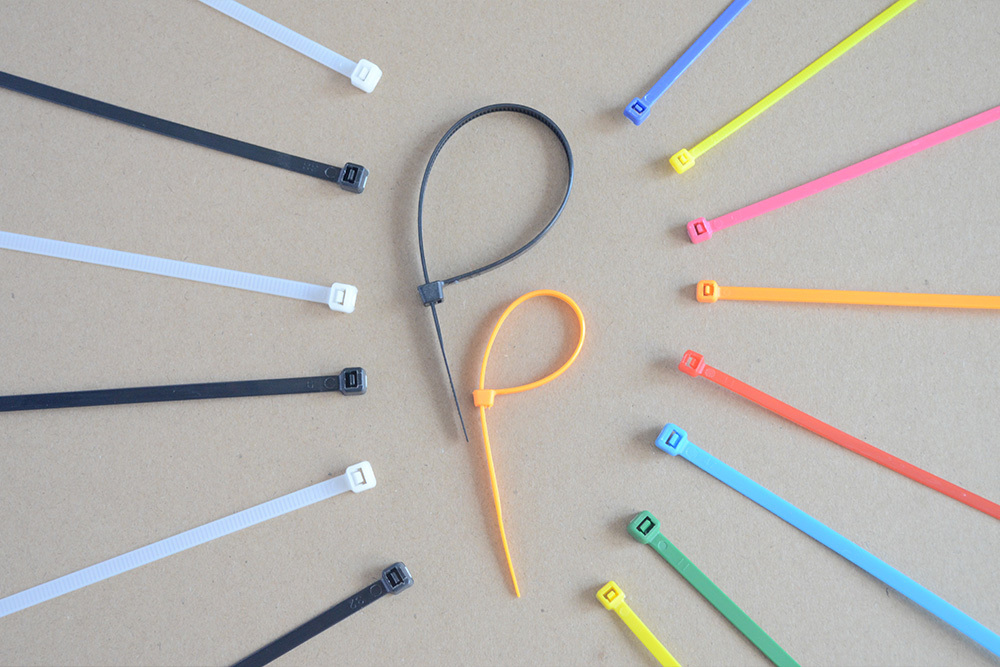
Plastic zip ties, often overlooked as simple bundling tools, can be transformed into versatile solutions for creating custom hooks and organizers. Whether you're securing items in your garage, organizing kitchen tools, or crafting a temporary storage system, these lightweight yet durable fasteners offer creative possibilities. Here’s how to maximize their potential with step-by-step techniques.
Securing Objects to Flat Surfaces Without Drilling
For renters or those avoiding wall damage, zip ties provide a non-invasive way to hang lightweight items. Start by identifying a sturdy horizontal bar or rod, such as a curtain rod, shelf bracket, or even a thick wire mesh. Thread a zip tie through the object’s handle or loop (e.g., a mug handle, kitchen utensil, or small tool) and loop it tightly around the bar. Pull the tail until snug, ensuring the zip tie’s locking mechanism faces downward to prevent accidental release. For added stability, use two zip ties in parallel or crisscross them to distribute weight evenly.
Pro Tip: To prevent scratches on delicate surfaces, wrap the bar with a layer of cloth tape or rubber bands before attaching zip ties. This also increases friction, reducing slippage.
Creating Adjustable Multi-Tiered Hooks
For organizing items of varying sizes, build a tiered hook system using zip ties and a vertical post (like a dowel rod or PVC pipe). Cut several zip ties to the same length, leaving a 2-inch tail after locking. Attach each zip tie to the post at different heights by looping the head around the rod and pulling the tail through the locking mechanism. Space the ties 3–4 inches apart vertically.
To hang items, slide their handles or loops onto the exposed tails of the zip ties. For heavier objects, reinforce the setup by doubling the zip ties at each level or using wider, heavy-duty variants. This method works well for hanging gardening tools, cleaning supplies, or craft materials in a workshop.
Application Example: A user in a small apartment used this technique to create a vertical shoe rack by attaching zip ties to a tension rod placed between two walls. Each tie held a pair of flip-flops, maximizing vertical space without drilling.
Crafting a Temporary Over-the-Door Hook
When you need a quick solution for hanging coats, bags, or towels, repurpose zip ties into an over-the-door organizer. Select a sturdy zip tie with a long tail and loop it around the top edge of the door, ensuring the locking mechanism rests on the hinge side to avoid scratching the door. Pull the tail tightly to secure the zip tie in place, then attach additional zip ties perpendicularly to the main one, creating hooks.
For a more polished look, use multiple zip ties of the same color and trim the tails evenly. To hang heavier items like bathrobes, combine two zip ties by threading one through the loop of another before attaching them to the main horizontal tie. This distributes weight across two locking mechanisms, reducing strain.
Safety Note: Avoid overloading these temporary hooks, as excessive weight may cause the zip ties to slip or deform. Always test the setup with light items first.
Enhancing Stability with Cross-Bracing Techniques
For hooks holding irregularly shaped or wobbly items, cross-bracing adds rigidity. Start by attaching a zip tie horizontally to a surface as described earlier. Then, add a second zip tie vertically, looping it through the horizontal tie’s tail before securing it to the surface. This creates an “X” shape that prevents lateral movement.
This method is ideal for securing items like brooms, mops, or sports equipment in a garage. For larger tools, use wider zip ties or combine multiple ties at each connection point.
Innovative Use Case: A DIY enthusiast used cross-braced zip ties to create a adjustable bike rack by attaching horizontal ties to a wall and vertical ties to the bike frames, keeping them upright and spaced evenly.
By experimenting with these techniques, you can turn ordinary plastic zip ties into customizable hooks for nearly any space. Their affordability, ease of use, and adaptability make them a go-to solution for quick fixes and creative organization projects.
plastic cable ties
Hot News
2025-12-29
Installation of plastic cable ties for trash can handles
Plastic zip ties, commonly used for bundling or securing items, can be repurposed as durable handles for trash bins, making them easier to carry and reducing strain on your hands. This simple upgrade works for bins of various sizes and materials, from lightweight plastic to heavier metal containers. Here’s how to install them correctly for long-lasting functionality.
2025-12-29
The grid plate is used to fix the plastic cable ties
Plastic zip ties, known for their versatility in bundling and fastening, are an excellent tool for securing mesh panels in various settings, from industrial workspaces to home DIY projects. Whether you’re installing safety barriers, organizing storage areas, or reinforcing structural components, understanding the right techniques ensures durability and stability. Here’s a detailed approach to using zip ties effectively for mesh panel applications.
2025-12-28
Installation method of plastic cable ties for anti-clogging floor drains
Plastic zip ties, commonly used for bundling cables or securing items, can be repurposed as a simple yet effective tool to prevent drain clogs. By creating a barrier that catches debris without blocking water flow, they offer a low-cost solution for maintaining clean drains in sinks, showers, or floor drains. Here’s how to install them correctly for long-lasting results.
2025-12-28
DIY hook plastic cable tie installation tips
Plastic zip ties, often overlooked as simple bundling tools, can be transformed into versatile solutions for creating custom hooks and organizers. Whether you're securing items in your garage, organizing kitchen tools, or crafting a temporary storage system, these lightweight yet durable fasteners offer creative possibilities. Here’s how to maximize their potential with step-by-step techniques.