
28
2025
-
12
Installation method of plastic cable ties for anti-clogging floor drains
Author:
How to Install Plastic Zip Ties for Drain Clog Prevention: A Step-by-Step Guide
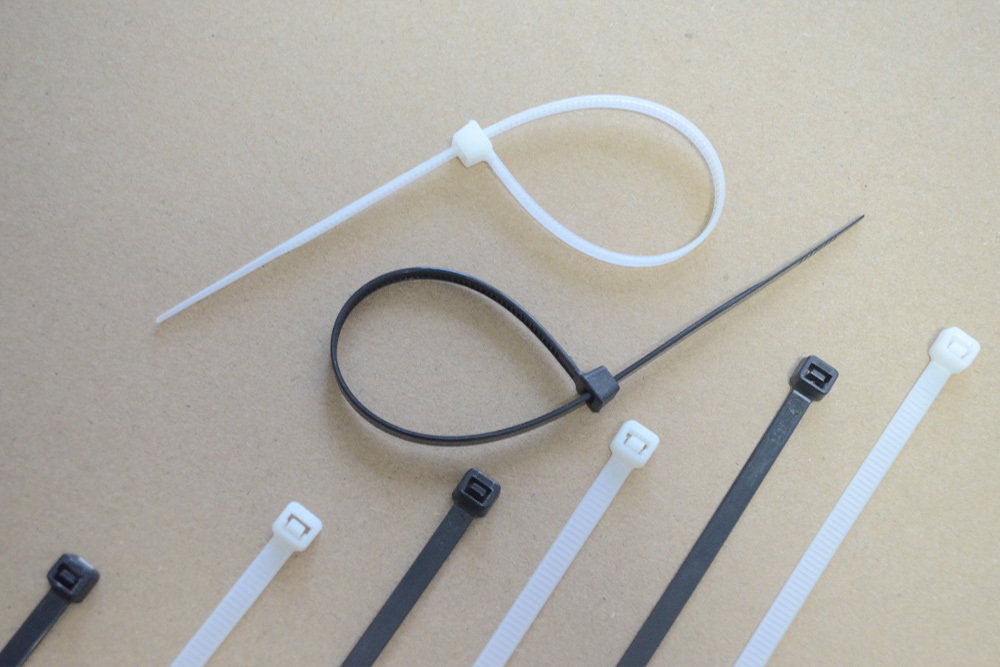
Plastic zip ties, commonly used for bundling cables or securing items, can be repurposed as a simple yet effective tool to prevent drain clogs. By creating a barrier that catches debris without blocking water flow, they offer a low-cost solution for maintaining clean drains in sinks, showers, or floor drains. Here’s how to install them correctly for long-lasting results.
Preparing the Drain for Installation
Before attaching zip ties, ensure the drain is clean and free of existing blockages. Remove the drain cover or grate using a screwdriver or by lifting it manually, depending on the design. Use a flashlight to inspect the drain opening for hair, soap scum, or other debris. Wear gloves to protect your hands, and use a plastic scraper or an old toothbrush to dislodge stubborn buildup. Rinse the drain with warm water to flush away loosened particles.
Pro Tip: If the drain has a removable strainer basket, soak it in a mixture of equal parts vinegar and water for 15 minutes to dissolve mineral deposits before reinstalling.
Selecting and Cutting Zip Ties for Optimal Fit
Choose standard plastic zip ties with a width of 3–5mm for most residential drains. Avoid overly thick or stiff variants, as they may restrict water flow or fail to conform to the drain’s shape. Measure the diameter of the drain opening to determine how many zip ties you’ll need. For circular drains, aim for 4–6 ties evenly spaced around the perimeter; for rectangular or square drains, use 6–8 ties to cover gaps effectively.
Cut the zip ties to a length that allows them to span the drain opening with 1–2 inches of overlap on each side. For example, if the drain is 4 inches wide, cut ties to 6–7 inches. Use sharp scissors or wire cutters to ensure clean edges, as frayed ends can snag debris or scratch the drain surface.
Application Example: A user with a shower drain used 5 zip ties, each cut to 8 inches, to create a star-shaped barrier that caught hair while letting water pass freely.
Attaching Zip Ties to the Drain Cover or Grate
If your drain has a removable cover or grate, this is the easiest attachment point. Lay the cut zip ties flat on a work surface, ensuring their locking mechanisms face the same direction (usually upward). Place the drain cover on top of the ties, aligning them so the ties extend outward from the cover’s edges. Use a small zip tie or a piece of thin wire to bundle the longer ties together at their midpoints, creating a stable structure.
For drains without removable covers, attach the zip ties directly to the grate’s crossbars. Loop each tie around a bar and pull it tight, leaving the tail end pointing downward into the drain. Space the ties evenly to avoid creating weak spots where debris could slip through.
Safety Note: Ensure the zip ties are secured tightly but not over-tightened, as excessive force may crack plastic drain components.
Positioning the Zip Ties Inside the Drain Opening
For drains without covers or grates, or to add an extra layer of protection, position the zip ties inside the drain itself. Thread the ties through the existing strainer basket (if present) or lower them into the opening one by one. Arrange them in a crisscross pattern, overlapping slightly to form a mesh-like barrier. Use a long, flexible tool like a chopstick or a plastic hook to adjust the ties’ placement without dislodging them.
Test the setup by pouring a small amount of water into the drain. If the water drains slowly, reposition the ties to reduce overlap or trim excess length. The goal is to balance debris capture with unobstructed flow.
Innovative Use Case: A homeowner with a floor drain in their laundry room used this method to prevent lint and fabric fibers from clogging the pipes, extending the time between professional cleanings.
Maintaining the Zip Tie Drain Guard
Regular maintenance ensures the zip ties continue to function effectively. Check the drain weekly for visible debris caught on the ties and remove it manually using tweezers or gloves. For shower drains, this may involve pulling out hair tangled around the ties; for kitchen sinks, it could mean removing food particles or grease buildup.
Replace the zip ties every 3–6 months, or sooner if they show signs of wear, such as cracking or discoloration. Over time, exposure to water and chemicals can weaken the plastic, reducing its ability to hold debris.
Pro Tip: To simplify maintenance, label the installation date on the drain cover or nearby wall using a waterproof marker. This helps track when replacements are due.
By following these steps, you can transform plastic zip ties into a practical, reusable drain guard that minimizes clogs and reduces the need for harsh chemical cleaners. Their versatility and affordability make them an ideal solution for both temporary fixes and long-term drain maintenance.
plastic cable ties
Previous Page
Previous Page
Hot News
2025-12-29
Installation of plastic cable ties for trash can handles
Plastic zip ties, commonly used for bundling or securing items, can be repurposed as durable handles for trash bins, making them easier to carry and reducing strain on your hands. This simple upgrade works for bins of various sizes and materials, from lightweight plastic to heavier metal containers. Here’s how to install them correctly for long-lasting functionality.
2025-12-29
The grid plate is used to fix the plastic cable ties
Plastic zip ties, known for their versatility in bundling and fastening, are an excellent tool for securing mesh panels in various settings, from industrial workspaces to home DIY projects. Whether you’re installing safety barriers, organizing storage areas, or reinforcing structural components, understanding the right techniques ensures durability and stability. Here’s a detailed approach to using zip ties effectively for mesh panel applications.
2025-12-28
Installation method of plastic cable ties for anti-clogging floor drains
Plastic zip ties, commonly used for bundling cables or securing items, can be repurposed as a simple yet effective tool to prevent drain clogs. By creating a barrier that catches debris without blocking water flow, they offer a low-cost solution for maintaining clean drains in sinks, showers, or floor drains. Here’s how to install them correctly for long-lasting results.
2025-12-28
DIY hook plastic cable tie installation tips
Plastic zip ties, often overlooked as simple bundling tools, can be transformed into versatile solutions for creating custom hooks and organizers. Whether you're securing items in your garage, organizing kitchen tools, or crafting a temporary storage system, these lightweight yet durable fasteners offer creative possibilities. Here’s how to maximize their potential with step-by-step techniques.