
29
2025
-
12
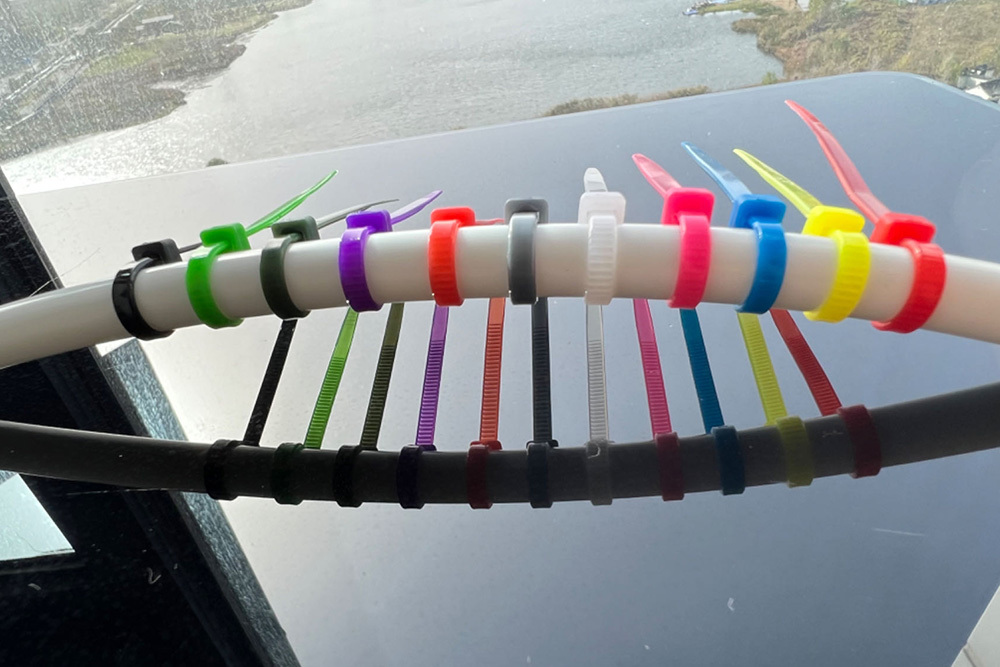
The grid plate is used to fix the plastic cable ties
Author:
How to Use Plastic Zip Ties for Securing Mesh Panels: A Practical Guide
Plastic zip ties, known for their versatility in bundling and fastening, are an excellent tool for securing mesh panels in various settings, from industrial workspaces to home DIY projects. Whether you’re installing safety barriers, organizing storage areas, or reinforcing structural components, understanding the right techniques ensures durability and stability. Here’s a detailed approach to using zip ties effectively for mesh panel applications.
Preparing Mesh Panels and Zip Ties for Installation
Before starting, inspect the mesh panel for sharp edges or loose wires that could damage the zip ties or pose safety risks. Use pliers to tighten any protruding wires and smooth rough surfaces with sandpaper if necessary. For lightweight mesh (e.g., plastic or thin metal), ensure the panel is clean and dry to prevent slippage during installation.
Select zip ties with a width and length suitable for the mesh’s hole size and the panel’s dimensions. For standard 1-inch mesh openings, 4- to 6-inch zip ties work well, while larger holes may require longer ties. Avoid overly stiff zip ties, as they may crack when bent around mesh corners.
Pro Tip: If working outdoors or in humid environments, opt for UV-resistant zip ties to prevent degradation from sunlight exposure.
Attaching Zip Ties to Mesh Panels Along Edges
The most common method involves securing zip ties along the perimeter of the mesh panel to attach it to a frame, post, or wall. Start by aligning the panel with the mounting surface, ensuring it sits flush. Thread a zip tie through a mesh hole near the corner, then loop it around the frame or post. Pull the tail tightly until the panel is snug against the surface, but avoid over-tightening, which could distort the mesh or break the zip tie.
For added strength, use two zip ties per corner, crisscrossing them to distribute pressure evenly. Space additional ties every 6–12 inches along the edges, depending on the panel’s weight and the level of support needed.
Application Example: A homeowner used this technique to secure a plastic mesh panel as a pet barrier along a staircase railing, using 8 zip ties spaced evenly for stability.
Securing Mesh Panels to Irregular Surfaces or Frames
When attaching mesh to cylindrical posts, uneven walls, or angled frames, flexibility is key. Begin by identifying the strongest points on the mesh (usually where wires intersect) to thread the zip ties. For cylindrical posts, wrap a zip tie around the post and through the mesh in a single motion, pulling it tight to create a secure bond.
For irregular surfaces, such as brick walls or wooden beams with gaps, use a combination of zip ties and small wooden or plastic spacers. Place the spacer between the mesh and the surface, then thread the zip tie through the mesh and around the spacer before securing it to the frame. This ensures the panel remains flat and prevents sagging.
Innovative Use Case: A gardener attached wire mesh to a wooden trellis using zip ties and plastic spacers, creating a sturdy support for climbing plants without damaging the wood.
Reinforcing Mesh Panels with Cross-Bracing Using Zip Ties
For large or heavy-duty mesh panels, cross-bracing enhances rigidity and prevents warping. Start by attaching the panel to its primary frame as described above. Then, add diagonal support by threading zip ties through opposite corners of the mesh, pulling them tight to create an “X” shape. Use multiple cross-braces for panels wider than 3 feet, spacing them evenly across the surface.
This method is particularly useful for industrial mesh panels used as machine guards or storage dividers, where stability under pressure is critical. Ensure the cross-braces are tight enough to eliminate movement but not so tight that they distort the mesh’s shape.
Safety Note: Always wear gloves when handling metal mesh to avoid cuts, and use pliers to tighten zip ties on heavy-duty panels for better leverage.
Maintaining and Replacing Zip Ties on Mesh Panels
Regular inspections prolong the lifespan of your mesh panel installation. Check zip ties every few months for signs of wear, such as cracking, fading, or loosening. Exposure to chemicals, extreme temperatures, or constant movement can accelerate degradation.
To replace a damaged zip tie, cut it off with scissors or wire cutters, then install a new one following the same attachment method. For panels in high-traffic areas, consider using reusable zip ties with a lever-lock mechanism, which allow for easy adjustments without cutting.
Pro Tip: Label zip ties with a waterproof marker if they secure critical components (e.g., safety barriers), indicating inspection dates or replacement schedules to ensure ongoing reliability.
By mastering these techniques, you can leverage plastic zip ties as a cost-effective, reliable solution for securing mesh panels in diverse environments. Their adaptability makes them indispensable for both temporary fixes and permanent installations, offering peace of mind without the need for specialized tools or materials.
plastic cable ties
Previous Page
Hot News
2025-12-29
Installation of plastic cable ties for trash can handles
Plastic zip ties, commonly used for bundling or securing items, can be repurposed as durable handles for trash bins, making them easier to carry and reducing strain on your hands. This simple upgrade works for bins of various sizes and materials, from lightweight plastic to heavier metal containers. Here’s how to install them correctly for long-lasting functionality.
2025-12-29
The grid plate is used to fix the plastic cable ties
Plastic zip ties, known for their versatility in bundling and fastening, are an excellent tool for securing mesh panels in various settings, from industrial workspaces to home DIY projects. Whether you’re installing safety barriers, organizing storage areas, or reinforcing structural components, understanding the right techniques ensures durability and stability. Here’s a detailed approach to using zip ties effectively for mesh panel applications.
2025-12-28
Installation method of plastic cable ties for anti-clogging floor drains
Plastic zip ties, commonly used for bundling cables or securing items, can be repurposed as a simple yet effective tool to prevent drain clogs. By creating a barrier that catches debris without blocking water flow, they offer a low-cost solution for maintaining clean drains in sinks, showers, or floor drains. Here’s how to install them correctly for long-lasting results.
2025-12-28
DIY hook plastic cable tie installation tips
Plastic zip ties, often overlooked as simple bundling tools, can be transformed into versatile solutions for creating custom hooks and organizers. Whether you're securing items in your garage, organizing kitchen tools, or crafting a temporary storage system, these lightweight yet durable fasteners offer creative possibilities. Here’s how to maximize their potential with step-by-step techniques.