
05
2026
-
01
Methods for reusing plastic cable ties
Author:
Creative Ways to Reuse Plastic Cable Ties for Daily Life Optimization
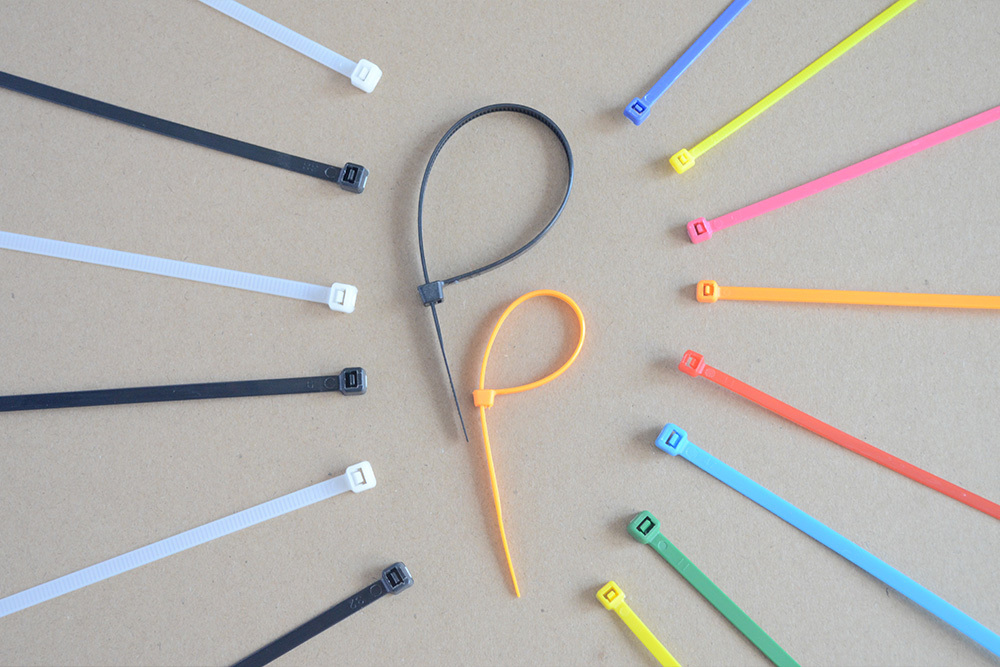
Plastic cable ties, often perceived as single-use items, are quietly revolutionizing household efficiency when repurposed creatively. These versatile tools, commonly found in toolboxes and junk drawers, offer unexpected solutions for organizing spaces, solving minor inconveniences, and even crafting DIY projects. Below are practical methods to extend their lifespan beyond initial use.
Unlocking Hidden Mechanisms for Reuse
Most standard cable ties feature a self-locking mechanism that can be reversed with a simple trick. The key lies in the small ratchet tongue inside the head of the tie. Using a toothpick, paperclip, or thin nail, gently press the tongue while simultaneously pulling the tail backward. This disengages the lock, allowing the tie to slide freely for another application. This method works best on ties without visible damage to the locking mechanism.
Pro Tip: Store disengaged ties in a labeled container to avoid mixing them with new ones. This prevents accidental tightening during future projects.
Organizing Cables and Cords Without Additional Tools
Cable clutter under desks or behind entertainment systems can be tamed using repurposed ties. For a neat solution:
- Bundle Similar Cables: Group power cords, USB cables, or HDMI wires by wrapping a tie loosely around them. Leave enough slack to avoid strain on connectors.
- Create Adjustable Loops: For cables that need frequent adjustment (e.g., charging cables), loop the tie through its own head to form a sliding knot. This allows easy length modification without cutting.
- Label Groups: Use colored ties or write on white ties with a permanent marker to identify cable groups at a glance.
Application Example: A home office setup with multiple devices can use this method to separate monitor, keyboard, and router cables, reducing tangling and improving airflow around electronics.
DIY Household Fixes Using Repurposed Ties
Beyond organization, cable ties excel at solving minor household issues:
Fixing Loose Items
- Securing Loose Handles: If a drawer handle or cabinet knob wobbles, wrap a tie around the base where it attaches to the door. This provides temporary stability until a permanent fix is applied.
- Reinforcing Broken Zippers: For a zipper missing its pull tab, thread a tie through the slider’s hole and knot it. This creates a makeshift pull that’s easier to grip than fabric alone.
Crafting Emergency Tools
- Creating a Makeshift Keychain: Instead of buying a new keyring, loop a tie through the holes of multiple keys and tighten it. This keeps keys organized and prevents loss.
- Building a Simple Clothespin Alternative: When hanging wet laundry without clips, fold a tie into a U-shape and clamp it around fabric edges. This works well for lightweight items like socks or handkerchiefs.
Enhancing Kitchen Efficiency
- Controlling Liquid Dispensers: Many soap or lotion bottles release too much product with one squeeze. Wrap a tie around the pump neck to shorten its stroke, reducing waste. Adjust the tightness to control flow.
- Sealing Open Food Packages: For bags of chips or cereal, fold the top closed and secure it with a tie. This keeps contents fresh longer than folding alone.
Eco-Friendly Gardening Hacks
Gardeners can repurpose ties for plant care:
- Supporting Young Plants: Use ties to gently attach stems to stakes or trellises. Avoid tying too tightly to prevent damage.
- Organizing Garden Tools: Bundle small hand tools like trowels and pruners together for easy transport. This keeps them from getting lost in the shed.
Sustainability Note: Always choose biodegradable or recycled ties when possible to minimize environmental impact. If using standard plastic ties, collect them for community recycling programs that accept nylon materials.
By viewing plastic cable ties as reusable resources rather than disposable items, households can reduce waste while solving everyday problems creatively. These methods require no special skills or tools, making them accessible to anyone looking to optimize their living space. Experiment with different applications to discover how these humble tools can transform your daily routines.
plastic cable ties
Previous Page
Hot News
2026-01-06
Manual bundling technique for plastic ties
Plastic cable ties, though designed for quick fastening with tools, can often be secured manually in situations where a tool isn’t available or when a looser, adjustable hold is needed. Mastering hand-tying techniques allows for flexibility in applications ranging from temporary bundling to creative crafting. Below are step-by-step methods to tie plastic zip ties effectively without specialized equipment.
2026-01-06
Steps for using plastic lanyards with a lanyard gun
Plastic cable tie guns, also known as tensioning tools, streamline the process of securing items with zip ties by automating tensioning and cutting. These tools are invaluable for tasks requiring consistent, tight bundling, such as organizing cables, securing packaging, or fastening hoses. Below is a detailed walkthrough of using a cable tie gun effectively.
2026-01-05
The correct way to cut plastic cable ties
Plastic cable ties, while simple in design, require careful handling during removal to avoid scratches, blunt tools, or accidental injury. Whether you’re dismantling a temporary setup or replacing a damaged tie, mastering the right cutting technique ensures efficiency and safety. Below are step-by-step methods tailored to different scenarios.
2026-01-05
Methods for reusing plastic cable ties
Plastic cable ties, often perceived as single-use items, are quietly revolutionizing household efficiency when repurposed creatively. These versatile tools, commonly found in toolboxes and junk drawers, offer unexpected solutions for organizing spaces, solving minor inconveniences, and even crafting DIY projects. Below are practical methods to extend their lifespan beyond initial use.