
05
2026
-
01
The correct way to cut plastic cable ties
Author:
How to Properly Cut Plastic Cable Ties Without Damaging Surfaces or Tools
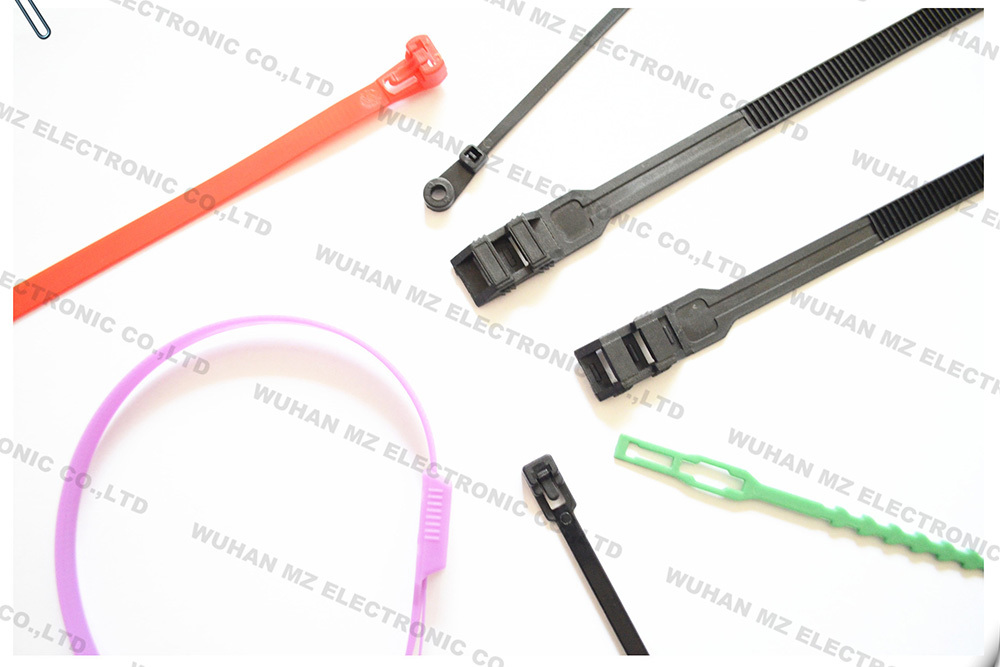
Plastic cable ties, while simple in design, require careful handling during removal to avoid scratches, blunt tools, or accidental injury. Whether you’re dismantling a temporary setup or replacing a damaged tie, mastering the right cutting technique ensures efficiency and safety. Below are step-by-step methods tailored to different scenarios.
Understanding the Anatomy of a Cable Tie Before Cutting
Before reaching for scissors or pliers, inspect the tie’s structure. Most consist of a flexible nylon strap and a ratcheted head that locks into place. The locking mechanism sits near the head, leaving a small "tail" extending outward. Cutting too close to the head risks damaging the surface the tie is attached to, while leaving excess tail can create sharp edges.
Key Insight: The ideal cutting point is just above the ratchet teeth, where the strap begins to thicken near the head. This minimizes leftover material while preventing contact with the locked section.
Using Scissors for Light-Duty Ties
For thin, lightweight ties (commonly used for organizing cables or securing small items), standard household scissors often suffice. Follow these steps:
Step 1: Position the Tie
Hold the tied object steady with one hand to prevent movement. If securing cables, gently separate them to isolate the tie.
Step 2: Align the Scissors
Open the scissors and place the blades perpendicular to the tie’s tail, about 1-2 millimeters above the ratchet teeth. Avoid angling the blades, as this may slip and scratch surfaces.
Step 3: Apply Even Pressure
Squeeze the scissors handles firmly but gradually. A sudden force might cause the tie to snap or the blades to slip. If the tie resists, reposition the blades slightly closer to the tail end and try again.
Pro Tip: For ties securing delicate items (e.g., fabric or thin wires), wrap a cloth around the tie near the head to cushion the impact of cutting.
Cutting Thicker Ties with Pliers or Wire Cutters
Heavier-duty ties, such as those used for outdoor equipment or plumbing, require stronger tools like diagonal pliers or wire cutters. These tools provide the leverage needed to slice through thicker nylon without damaging nearby components.
Step 1: Select the Right Tool
Choose pliers with sharp, clean edges. Dull tools may crush the tie instead of cutting it, leaving jagged edges. Avoid using needle-nose pliers for thick ties, as their narrow jaws may not grip properly.
Step 2: Grip the Tie Securely
Hold the tie’s tail with your non-dominant hand to steady it. If the tie is wrapped around a pipe or rod, ensure the tool’s blades won’t contact the surface during cutting.
Step 3: Cut at an Angle
Place the pliers’ blades at a 45-degree angle to the tie, about 2-3 millimeters above the ratchet teeth. This angle reduces the chance of the blades slipping toward the head. Squeeze the handles firmly to make a clean cut.
Safety Note: Wear gloves when cutting thick ties, as nylon shards can fly upward during the process.
Removing Ties Without Cutting: The Release Method
In some cases, you may want to reuse a tie or avoid leaving sharp edges. Many standard ties can be released without cutting by disengaging the locking mechanism.
Step 1: Locate the Ratchet Tongue
Examine the head of the tie for a small, raised tongue inside the locking channel. This tongue grips the teeth on the strap to hold it in place.
Step 2: Insert a Thin Tool
Use a toothpick, paperclip, or thin nail to gently press the tongue downward. Apply steady pressure while holding the tie’s head with your other hand.
Step 3: Slide the Strap Out
While pressing the tongue, pull the tail of the tie backward. The strap should slide freely through the head once the tongue is disengaged.
Application Example: This method is ideal for ties securing holiday lights or temporary garden stakes, where reuse is likely.
Handling Stubborn or Over-Tightened Ties
Occasionally, ties may be tightened too much, making them difficult to cut or release. For these situations:
Step 1: Loosen the Grip
If possible, wiggle the tied object slightly to create a tiny gap between the tie and the surface. This reduces friction during cutting.
Step 2: Use Heat (Optional)
For extremely stiff ties, carefully apply heat from a hairdryer or heat gun to soften the nylon. Keep the heat source moving to avoid melting the tie or damaging surrounding materials. Once softened, attempt cutting or releasing as usual.
Step 3: Cut in Stages
For ties that won’t budge, make a small initial cut with pliers, then rotate the tool to widen the gap. Continue cutting in short bursts until the tie breaks free.
By mastering these techniques, you can handle plastic cable ties efficiently in any situation. Whether cutting, releasing, or dealing with stubborn variants, the right approach ensures clean results without unnecessary damage.
plastic cable ties
Previous Page
Next Page
Previous Page
Next Page
Hot News
2026-01-06
Manual bundling technique for plastic ties
Plastic cable ties, though designed for quick fastening with tools, can often be secured manually in situations where a tool isn’t available or when a looser, adjustable hold is needed. Mastering hand-tying techniques allows for flexibility in applications ranging from temporary bundling to creative crafting. Below are step-by-step methods to tie plastic zip ties effectively without specialized equipment.
2026-01-06
Steps for using plastic lanyards with a lanyard gun
Plastic cable tie guns, also known as tensioning tools, streamline the process of securing items with zip ties by automating tensioning and cutting. These tools are invaluable for tasks requiring consistent, tight bundling, such as organizing cables, securing packaging, or fastening hoses. Below is a detailed walkthrough of using a cable tie gun effectively.
2026-01-05
The correct way to cut plastic cable ties
Plastic cable ties, while simple in design, require careful handling during removal to avoid scratches, blunt tools, or accidental injury. Whether you’re dismantling a temporary setup or replacing a damaged tie, mastering the right cutting technique ensures efficiency and safety. Below are step-by-step methods tailored to different scenarios.
2026-01-05
Methods for reusing plastic cable ties
Plastic cable ties, often perceived as single-use items, are quietly revolutionizing household efficiency when repurposed creatively. These versatile tools, commonly found in toolboxes and junk drawers, offer unexpected solutions for organizing spaces, solving minor inconveniences, and even crafting DIY projects. Below are practical methods to extend their lifespan beyond initial use.