
04
2026
-
01
Loose-fitting plastic cable ties opening and closing operation
Author:
How to Open and Close Reusable Plastic Cable Ties: A Practical Guide
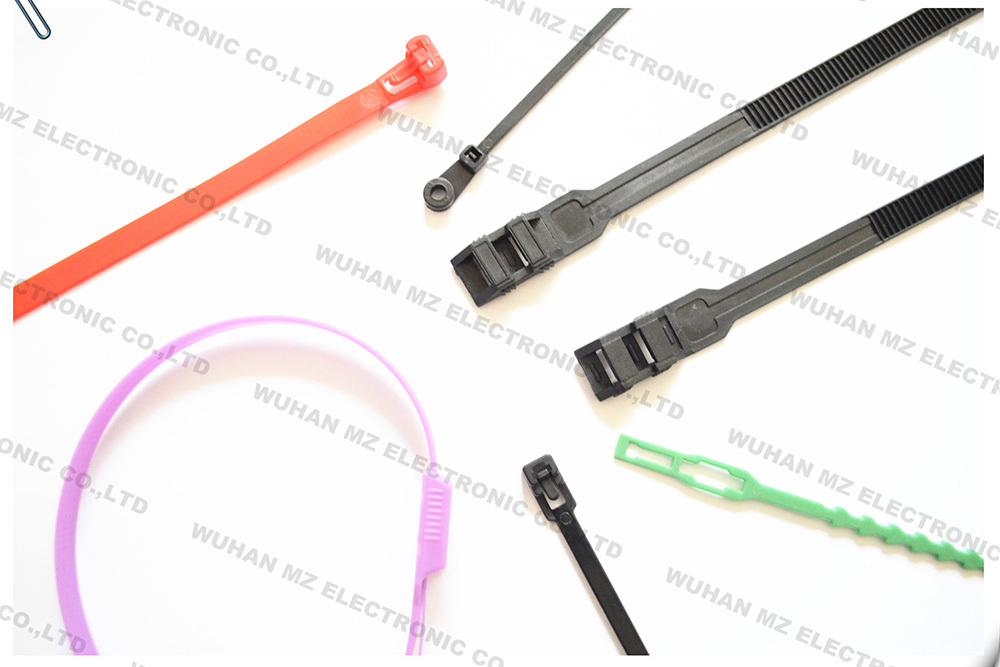
Reusable plastic cable ties, also known as "loose-fitting" or "adjustable" cable ties, are designed for repeated use in bundling wires, securing items, or organizing spaces. Unlike traditional single-use ties, these variants feature a built-in release mechanism that allows users to tighten, loosen, or remove them without cutting. Below is a detailed breakdown of their operation and practical applications.
Understanding the Mechanism
The core innovation of reusable cable ties lies in their locking head, which contains a spring-loaded pawl (often referred to as a "tongue" or "latch") and a ratchet track on the strap. When the strap is inserted into the head and pulled, the pawl engages with the ratchet teeth, creating a one-way locking system. To release the tie, the pawl must be disengaged, either manually or via a dedicated button or lever.
Key Components:
- Strap: The flexible, toothed band that wraps around objects.
- Locking Head: Houses the pawl and release mechanism.
- Pawl/Latch: A small plastic component that grips the ratchet teeth.
- Release Button/Lever: A protrusion or indentation on the head that, when pressed, lifts the pawl to free the strap.
Step-by-Step Closing Process
- Orientation: Ensure the strap’s toothed side faces the locking head’s pawl.
- Insertion: Feed the strap’s pointed end through the head’s slot until the desired length is reached.
- Tightening: Pull the strap firmly to engage the pawl with the ratchet teeth. The tie will hold securely without slipping.
- Adjustment: If the tie is too loose, pull the strap further through the head. For reusable models, some designs allow bidirectional adjustment by pressing the release button while pulling.
Pro Tips for Closing:
- Avoid over-tightening, which may strain the pawl or deform the strap.
- For bundled items like cables, leave a small gap to prevent damage.
- Test the grip by gently tugging the strap to ensure it’s secure.
Step-by-Step Opening Process
- Locate the Release Mechanism: Identify the button, lever, or indentation on the locking head.
- Press and Hold: Apply steady pressure to the release mechanism. This lifts the pawl away from the ratchet teeth.
- Slide the Strap Out: While holding the release, gently pull the strap backward through the head.
- Full Removal: Once the strap is free, the tie can be reused immediately.
Alternative Methods (When Tools Are Needed):
- Flathead Screwdriver: Insert the tip under the pawl to pry it upward, then slide the strap out.
- Nail or Paperclip: For small ties, use a thin, rigid object to depress the pawl manually.
- Heat Application: If the plastic is stiff, warm the head slightly with a hairdryer to soften it before releasing.
Common Issues and Fixes:
- Stuck Pawl: If the pawl won’t disengage, check for debris in the head. Clean with a soft brush or compressed air.
- Broken Release Button: If the button is damaged, use a tool to manually lift the pawl.
- Worn Teeth: Over time, the ratchet teeth may wear down. Replace the tie if it no longer holds securely.
Practical Applications Beyond Bundling
Reusable cable ties excel in scenarios requiring flexibility and durability. Here are some creative uses:
Organizing Home and Office Spaces
- Cable Management: Secure Ethernet cords, power cables, or headphone wires under desks.
- Storage Solutions: Bundle seasonal clothing, blankets, or tools to save space.
- Labeling: Attach tags to ties for quick identification of bundled items.
DIY Projects and Repairs
- Temporary Fixes: Hold broken parts together during glue drying or clamp replacement.
- Gardening: Train plants by tying stems to stakes without damaging delicate vines.
- Crafting: Create adjustable loops for hanging decorations or organizing craft supplies.
Emergency and Outdoor Uses
- Gear Repair: Fix torn backpack straps or tent poles in the field.
- First Aid: Secure bandages or splints temporarily.
- Camping: Hang gear from trees or organize cooking utensils at campsites.
Maintaining Reusable Cable Ties for Longevity
To extend the lifespan of your ties:
- Avoid Overexposure to Sunlight: UV rays can degrade plastic over time. Store ties indoors when not in use.
- Clean Regularly: Wipe down ties with a damp cloth to remove dirt or grime that may interfere with the locking mechanism.
- Store Properly: Keep ties flat or loosely coiled to prevent kinking or bending, which can weaken the strap.
By mastering the opening and closing techniques outlined above, users can leverage reusable plastic cable ties for a wide range of tasks, reducing waste and saving money in the long run. Whether organizing cables, securing gear, or tackling DIY projects, these versatile tools offer a reliable, eco-friendly alternative to traditional single-use options.
plastic cable ties
Previous Page
Previous Page
Hot News
2026-09-15
Ultimate Guide to Nylon Cable Ties: Sizes, Applications, and Selection Criteria
Explore the ultimate guide to nylon cable ties. Learn about PA66 material properties, comprehensive size & tensile strength charts, and outdoor UV applications.
2026-08-28
PA6 vs PA66 for Nylon Cable Ties: How to Choose the Right Material
PA6 and PA66 are two commonly considered materials for nylon cable ties. This guide compares their mechanical performance, heat resistance, toughness, moisture absorption, processing characteristics, cost, and application suitability to help buyers select the right material for their requirements.
2026-04-10
No More Brittleness: All-Weather Performance Ties for Extreme Environments
Tired of cable ties snapping in cold or dry weather? Our impact-modified PA66 ties are engineered for all-weather performance, ensuring maximum flexibility and reliability from Australia to Northern Europe。
2026-01-19
Electric Cable Tie Gun Operating Instructions
An electric cable tie gun is a handy tool that simplifies the process of securing cable ties, making it faster and more efficient compared to manual methods. Whether you're working on electrical installations, organizing cables in a data center, or bundling items for shipping, understanding how to properly use an electric cable tie gun is essential. Here's a detailed guide to help you get started.
2026-01-18
The precise tension control method for cable guns
When working with cable tie guns, achieving the right tension is crucial for ensuring secure and professional-looking installations. Whether you're bundling cables, securing equipment, or organizing items, precise tension control prevents over-tightening, which can damage delicate components, and under-tightening, which may lead to loosening over time. Here are some effective methods to help you master precise tension control with a cable tie gun.