
22
2025
-
12
Temporary repair and usage method of plastic cable ties
Author:
Practical Guide to Using Plastic Zip Ties for Temporary Repairs
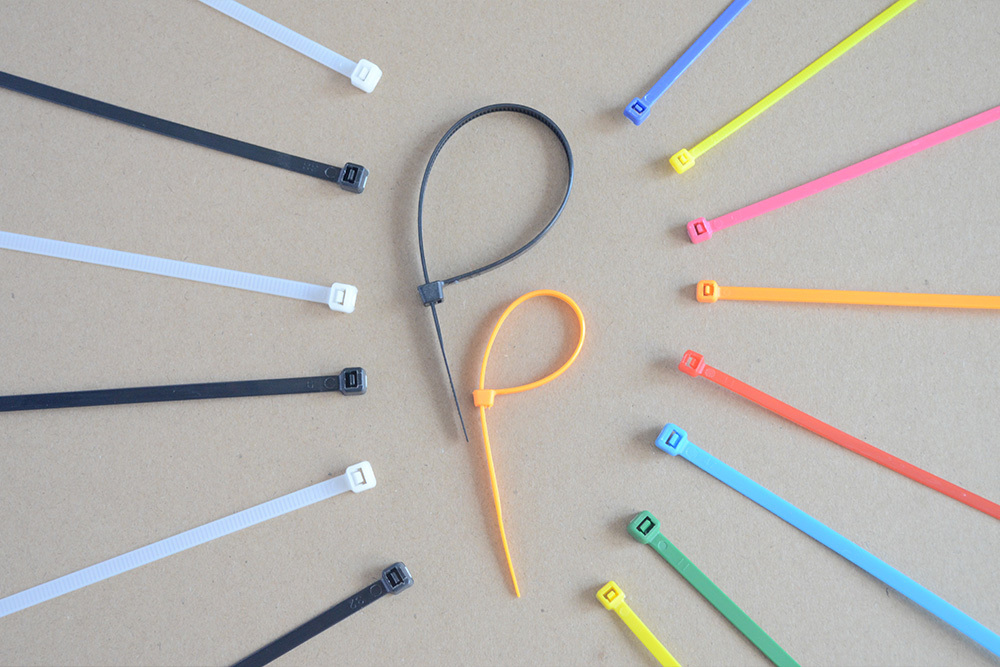
Plastic zip ties, also known as cable ties, are versatile tools for quick fixes in everyday situations. Their lightweight design, ease of use, and ability to withstand moderate tension make them ideal for temporary solutions until a permanent repair can be made. Below are practical methods for leveraging zip ties in common repair scenarios, focusing on safety and effectiveness.
Securing Loose or Broken Parts
When components like handles, hinges, or brackets become loose or break, zip ties can provide immediate stability. This approach works well for items that don’t require high-strength connections or frequent movement, such as tool handles, luggage straps, or outdoor furniture.
Fixing a Broken Handle or Strap
If a plastic or fabric handle tears, loop a zip tie through the remaining attachment points on both sides of the break. Position the tie so it sits along the length of the handle, distributing tension evenly. For added grip, wrap a layer of electrical tape around the tie and handle interface. This method restores functionality for light-duty use, like carrying groceries or tools.
Reinforcing Split Wooden or Plastic Components
For small splits in wooden or plastic items (e.g., a cracked chair leg or garden tool), align the broken edges and wrap a zip tie tightly around the damaged area. Use multiple ties spaced 1–2 inches apart to prevent further cracking. This holds the pieces together long enough to apply wood glue or epoxy for a permanent fix.
Temporarily Mending Frayed Cords or Cables
If the outer insulation of a power cord or cable frays near the plug, slide a zip tie over the damaged section and tighten it just enough to hold the wires in place. Avoid overtightening, which could damage the inner conductors. This prevents exposed wires from touching each other or external surfaces, reducing shock risks until the cord can be replaced.
Organizing and Stabilizing Loose Items
Zip ties excel at grouping scattered objects or preventing items from shifting during transport or use. This is useful for organizing tools, securing loose parts in vehicles, or keeping camping gear contained.
Bundling Scattered Tools or Hardware
Gather small tools like wrenches, screwdrivers, or pliers, and loop a zip tie around their handles or shafts. Tighten the tie so the tools stay together but can still be removed individually when needed. For larger items like shovels or rakes, use multiple ties to create a bundle that’s easier to carry or store.
Securing Loose Parts in Vehicles or Storage
In trucks, vans, or storage containers, items like hoses, ropes, or extension cords often shift during movement. Use zip ties to fasten these items to fixed points, such as cargo hooks or rack bars. For delicate objects, wrap a soft cloth around them before tying to prevent scratches. This keeps the cargo area tidy and reduces the risk of damage.
Keeping Camping or Outdoor Gear Organized
When packing for camping trips, zip ties can prevent gear from unraveling or getting lost. For example, tie sleeping bag straps together to avoid tangling, or secure tent poles in a compact bundle. You can also use ties to fasten loose items like cooking utensils or flashlights to your backpack for easy access.
Emergency Repairs for Outdoor and Travel Scenarios
In situations where access to tools or replacement parts is limited, zip ties offer creative solutions for unexpected breakdowns. Their waterproof and UV-resistant properties make them suitable for outdoor use, while their compact size allows them to fit in emergency kits.
Patching a Torn Tent or Tarp
If a tent seam or tarp rips during a camping trip, clean the area around the tear and align the edges. Loop a zip tie through nearby grommets or fabric loops on either side of the damage, pulling it tight to hold the material together. Use multiple ties for larger tears, spacing them 2–3 inches apart. This creates a temporary barrier against rain or wind until you can patch the hole properly.
Fixing a Broken Zipper on Backpacks or Bags
When a zipper slider comes off or gets stuck, a zip tie can act as a makeshift pull tab. Thread the tie through the zipper’s existing hole (if present) or loop it around the slider’s base. Tighten the tie so it’s secure but easy to grasp, allowing you to open and close the zipper manually. This works best for light-duty bags used for short trips.
Stabilizing a Wobbly Bicycle or Stroller
If a bicycle spoke breaks or a stroller wheel becomes loose, use zip ties to immobilize the affected part. For a broken spoke, wrap a tie around the rim and nearby spokes to hold the wheel’s shape. For a wobbly stroller wheel, tie the axle to the frame to limit movement. These fixes are temporary but let you safely reach home or a repair shop.
Safety Tips for Using Zip Ties in Repairs
While zip ties are convenient, improper use can lead to damage or injury. Always inspect ties for cracks or weaknesses before applying tension, and avoid using them in high-heat environments unless they’re rated for such conditions. When cutting excess tail lengths, point the blade away from your body to prevent accidental cuts. For repairs involving electrical components, ensure ties don’t pinch or expose wires, and consider using insulated ties for added safety.
By applying these techniques, you can turn plastic zip ties into reliable tools for temporary repairs across various scenarios. Whether you’re organizing gear, stabilizing broken items, or addressing emergencies, their simplicity and versatility make them a valuable addition to any toolkit.
plastic cable ties
Previous Page
Hot News
2025-12-27
The method of marking the use of plastic cable ties for cables
Managing multiple cables in workspaces, homes, or industrial settings can quickly become chaotic without proper labeling. Plastic zip ties offer a simple, cost-effective way to mark cables by purpose, destination, or function. Below are actionable strategies to implement this system efficiently without relying on specialized tools or expensive solutions.
2025-12-27
The spacing of plastic cable ties for wire sorting and binding
Managing tangled cables efficiently requires understanding how to space plastic zip ties correctly. Proper spacing ensures cables stay secure, organized, and protected from damage while maintaining a clean workspace. Below are practical insights for achieving professional-grade cable management without specialized tools or expensive solutions.
2025-12-23
Tips for using plastic cable ties in series on clothes hangers
Plastic zip ties, often overlooked as simple fastening tools, can transform ordinary hangers into versatile storage solutions. Whether you’re looking to maximize closet space, organize accessories, or create custom hanging systems, these flexible ties offer a cost-effective and durable method for connecting hangers in innovative ways. Below are practical techniques to enhance your hanger setup using plastic zip ties.
2025-12-23
The method of locking sealed bags with plastic cable ties
Plastic zip ties, known for their versatility in bundling and fastening, are also effective tools for locking sealable bags tightly. Whether storing food, organizing small items, or protecting sensitive materials, using zip ties ensures airtight or waterproof closures when done correctly. Below are step-by-step techniques to achieve secure seals without damaging the bag or compromising its contents.