
21
2025
-
12
Precision instrument wire harness binding techniques
Author:
Essential Techniques for Bundling Wiring Harnesses in Precision Instruments
Properly bundling wiring harnesses in precision instruments is critical for ensuring signal integrity, preventing electromagnetic interference (EMI), and maintaining mechanical stability. Unlike general-purpose cable management, precision applications demand meticulous attention to detail to avoid compromising instrument performance. Below are specialized techniques tailored for high-stakes environments like medical devices, aerospace systems, or laboratory equipment.
Pre-Bundling Preparation for Optimal Results
Before securing any wires, organize the harness into logical subgroups based on function, voltage level, or signal type. This reduces cross-talk between sensitive circuits and simplifies troubleshooting. For example, separate power lines from low-voltage data cables to minimize noise coupling.
Selecting the Right Wire Gauges and Insulation
Precision instruments often use thin, flexible wires to save space, but these require careful handling to avoid damage. Choose wires with high-temperature-rated insulation if the instrument generates heat, and opt for shielded cables for analog signals or high-frequency data. Verify that all wires meet the instrument’s voltage and current requirements to prevent overheating or insulation breakdown.
Mapping the Routing Path
Sketch the harness’s path through the instrument’s chassis, noting bends, connectors, and mounting points. Avoid sharp 90-degree turns, which can stress wires and disrupt signal transmission. Instead, use gentle curves with a radius at least three times the wire bundle’s diameter. This reduces strain on conductors and extends the harness’s lifespan.
Labeling Wires for Identification
Before bundling, label each wire or subgroup with a durable, heat-resistant marker or tag. Include information like circuit function, terminal destination, or color code (if applicable). Clear labeling accelerates assembly, maintenance, and repairs, especially in complex harnesses with dozens of connections.
Bundling Methods for Precision and Stability
Lacing Cord Technique for Flexible Harnesses
Lacing cord, a waxed nylon thread, is ideal for securing small, lightweight wire bundles in precision instruments. Thread the cord through a lacing needle and weave it in a figure-eight pattern around the wires, spacing stitches every 1–2 inches. This method allows the harness to flex slightly without loosening, making it suitable for movable components like robotic arms or optical stages.
Step-by-Step Lacing Process
Start at one end of the bundle and anchor the cord with a double knot. Weave the cord over and under the wires in alternating directions, pulling gently to maintain even tension. Avoid overtightening, as this can deform wire insulation. Finish with a secure knot and trim excess cord, leaving a 1/4-inch tail to prevent unraveling.
When to Use Lacing Cord
This technique excels in applications where vibration or repeated movement is common, such as in medical imaging equipment or industrial sensors. Its flexibility reduces stress on wire joints and connectors, minimizing the risk of intermittent connections or signal loss.
Spiral Wrapping for Compact, Protected Bundles
Spiral wrapping involves winding a continuous strip of material (like polyethylene or polyester tape) around the wire bundle in a helical pattern. This creates a smooth, snug layer that shields wires from dust, moisture, and accidental abrasion. Spiral wrapping is particularly useful for harnesses routed through tight spaces or exposed to environmental contaminants.
Choosing the Right Wrapping Material
Select a material with appropriate flexibility and chemical resistance for the instrument’s operating environment. For example, use flame-retardant tape in high-temperature areas or anti-static tape for sensitive electronic circuits. The wrapping should overlap by at least 50% to ensure complete coverage without gaps.
Applying Spiral Wrapping
Begin wrapping at one end of the bundle, holding the tape at a 45-degree angle to the wires. Wind the tape tightly enough to stay in place but loosely enough to allow the bundle to bend. Maintain consistent tension and overlap as you move down the harness. Secure the end with a small adhesive dot or a dab of silicone sealant.
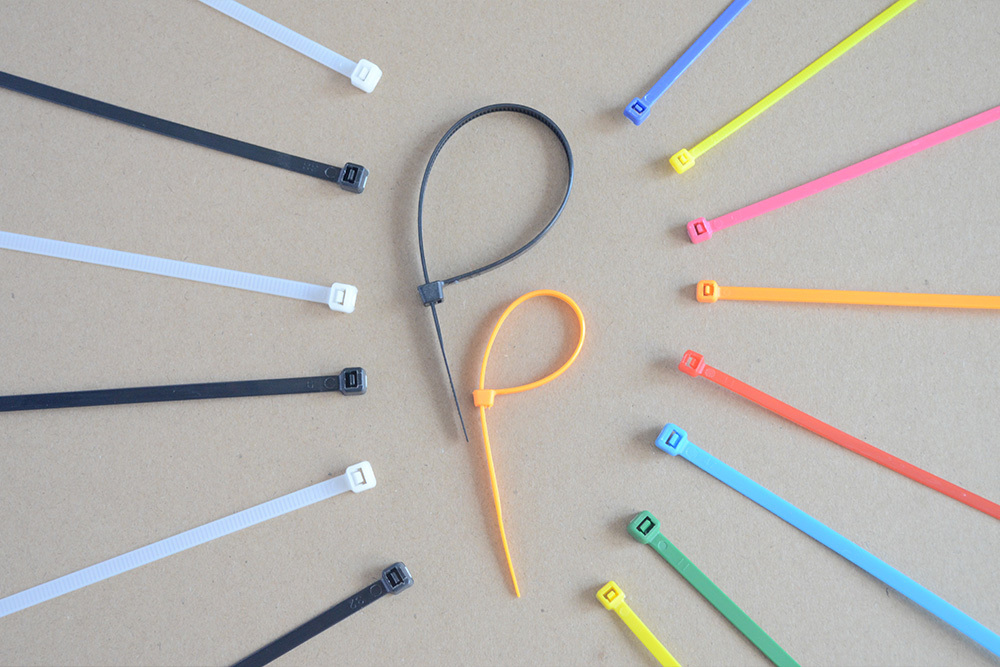
Cable Ties with Strain Relief for High-Tension Areas
In sections of the harness subjected to pulling forces (e.g., near connectors or mounting points), use cable ties with built-in strain relief features. These ties distribute tension across a wider area, preventing damage to wire insulation or solder joints. Position the ties perpendicular to the direction of pull for maximum effectiveness.
Proper Tie Placement and Tensioning
Loop the tie around the bundle, ensuring the locking mechanism faces outward for easy access. Pull the tail until the tie fits snugly but not tightly—you should be able to slide a fingernail between the tie and the wires. For added protection, place a small piece of heat-shrink tubing or rubber grommet under the tie to cushion the wires.
Avoiding Common Pitfalls
Never reuse cable ties, as repeated tightening can weaken the plastic and lead to failure. Similarly, avoid overtightening ties, which can compress wire insulation and create hot spots. For harnesses exposed to UV light, choose ties rated for outdoor use to prevent degradation.
Post-Bundling Verification and Adjustments
Testing for Signal Integrity
After bundling, verify that all circuits function as intended using a multimeter or oscilloscope. Check for continuity, voltage drops, or unexpected noise in analog signals. If issues arise, inspect the harness for tight bends, pinched wires, or incorrect routing that could interfere with signal transmission.
Flexibility and Range-of-Motion Checks
For harnesses in movable parts, manually flex the assembly through its full range of motion while observing for wire kinking or tie slippage. The bundle should move freely without resistance, and ties should remain securely fastened. If ties loosen during testing, replace them with a tighter fit or switch to a more robust bundling method.
Environmental Stress Testing
Expose the harness to simulated operating conditions, such as temperature extremes, humidity, or vibration, to identify potential weaknesses. For example, cycle the instrument between -20°C and 80°C to test insulation flexibility, or run a vibration table to assess tie durability. Address any failures by reinforcing vulnerable sections or switching materials.
By mastering these techniques, engineers and technicians can create wiring harnesses that meet the stringent demands of precision instruments. Whether securing cables in a laboratory spectrometer or a surgical robot, these methods ensure reliability, performance, and longevity in critical applications.
plastic cable ties
Previous Page
Previous Page
Hot News
2025-12-27
The method of marking the use of plastic cable ties for cables
Managing multiple cables in workspaces, homes, or industrial settings can quickly become chaotic without proper labeling. Plastic zip ties offer a simple, cost-effective way to mark cables by purpose, destination, or function. Below are actionable strategies to implement this system efficiently without relying on specialized tools or expensive solutions.
2025-12-27
The spacing of plastic cable ties for wire sorting and binding
Managing tangled cables efficiently requires understanding how to space plastic zip ties correctly. Proper spacing ensures cables stay secure, organized, and protected from damage while maintaining a clean workspace. Below are practical insights for achieving professional-grade cable management without specialized tools or expensive solutions.
2025-12-23
Tips for using plastic cable ties in series on clothes hangers
Plastic zip ties, often overlooked as simple fastening tools, can transform ordinary hangers into versatile storage solutions. Whether you’re looking to maximize closet space, organize accessories, or create custom hanging systems, these flexible ties offer a cost-effective and durable method for connecting hangers in innovative ways. Below are practical techniques to enhance your hanger setup using plastic zip ties.
2025-12-23
The method of locking sealed bags with plastic cable ties
Plastic zip ties, known for their versatility in bundling and fastening, are also effective tools for locking sealable bags tightly. Whether storing food, organizing small items, or protecting sensitive materials, using zip ties ensures airtight or waterproof closures when done correctly. Below are step-by-step techniques to achieve secure seals without damaging the bag or compromising its contents.