
23
2025
-
12
Tips for using plastic cable ties in series on clothes hangers
Author:
Creative Ways to Use Plastic Zip Ties for Hanger Organization and Customization
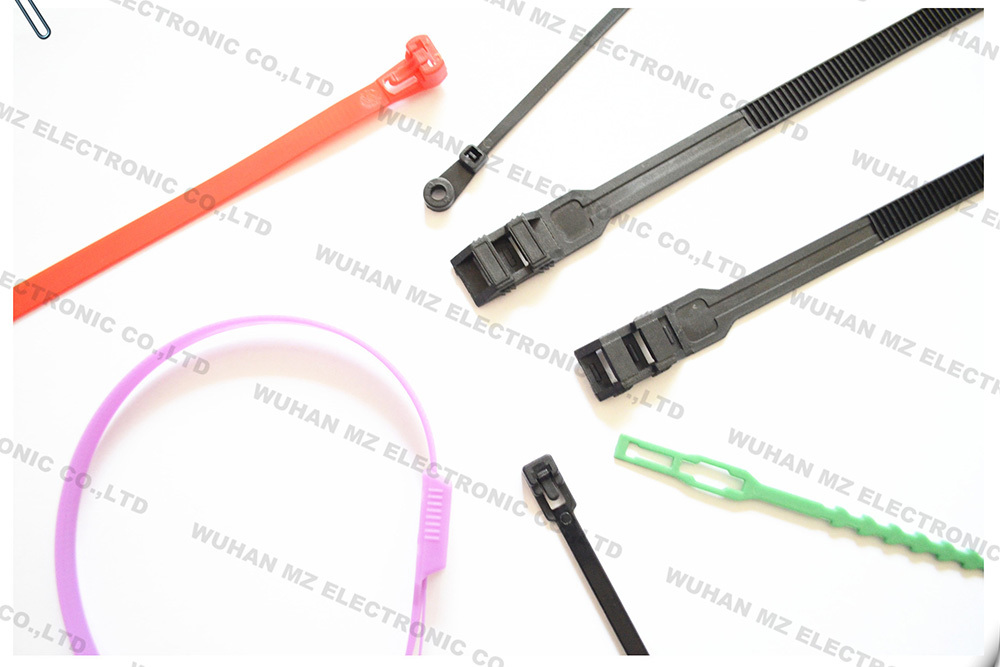
Plastic zip ties, often overlooked as simple fastening tools, can transform ordinary hangers into versatile storage solutions. Whether you’re looking to maximize closet space, organize accessories, or create custom hanging systems, these flexible ties offer a cost-effective and durable method for connecting hangers in innovative ways. Below are practical techniques to enhance your hanger setup using plastic zip ties.
Combining Multiple Hangers for Increased Capacity
One of the most common uses for zip ties is linking hangers together to create multi-tiered or grouped storage. This method works well for coordinating outfits, storing seasonal items, or organizing accessories like scarves and belts.
Linking Hangers Side-by-Side for Grouped Items
To keep matching sets of clothing (e.g., suits, dresses with jackets) together, attach two or more hangers horizontally using zip ties. Start by positioning the hangers next to each other, ensuring their hooks align at the top. Loop a zip tie around the neck of both hangers, just below the hooks, and tighten it until the hangers are securely connected. Repeat this process for additional hangers if needed, spacing them evenly to prevent overcrowding.
Creating Vertical Tiers for Layered Storage
For vertical space optimization, stack hangers one above the other using zip ties. Begin by hanging the first hanger normally, then attach a second hanger to its lower bar by looping a zip tie around both bars and tightening it. This creates a two-tiered system ideal for hanging pants below shirts or storing children’s clothing in compact spaces. Add more tiers by repeating the process, ensuring each zip tie is snug but not overly tight to avoid damaging the hangers.
Securing Hangers in a Cluster for Accessory Organization
To organize small accessories like ties, necklaces, or headbands, cluster multiple hangers together at their bases. Gather 3–5 hangers and hold their hooks together in one hand. Use a zip tie to wrap around the lower ends of the hangers, just above the bars, and tighten it until the group stays upright. Hang this cluster in your closet, then drape accessories over the individual hanger bars for easy access and visibility.
Customizing Hangers for Specialized Storage Needs
Zip ties allow you to adapt standard hangers to hold unconventional items, such as shoes, bags, or craft supplies. These modifications require minimal effort but provide tailored solutions for specific storage challenges.
Attaching Hangers to Racks or Bars for Non-Slip Storage
If hangers tend to slide off closet rods or racks, use zip ties to create a locking mechanism. Loop a zip tie around the hanger’s hook and the rod, leaving a small gap between the tie and the rod’s surface. This prevents the hanger from moving freely while still allowing you to slide it when needed. For added stability, attach a second zip tie a few inches away, creating a dual-lock system for heavy items like coats or winter gear.
Creating Shoe Holders with Hangers and Zip Ties
Transform a wire hanger into a shoe storage solution by bending it into a rectangular shape and securing the corners with zip ties. Start by straightening the hanger’s hook, then bend the sides downward to form a flat base. Use zip ties to connect the corners where the wires meet, ensuring the structure is sturdy. Hang the modified hanger in your closet and slip shoes onto the wire frame, using the zip ties to adjust the spacing between pairs.
Building a Hanger-Based Craft Supply Organizer
For organizing small craft items like thread spools, ribbon rolls, or paintbrushes, attach multiple hangers to a wooden dowel or curtain rod using zip ties. Space the hangers evenly along the rod, then loop zip ties around the hangers’ hooks and the rod to hold them in place. Hang the rod in your workspace and use the hangers’ bars to hold craft supplies, keeping everything within reach and neatly arranged.
Enhancing Hanger Durability and Functionality
Zip ties can also reinforce weak or damaged hangers, extending their lifespan and improving their performance. These fixes are quick and require no special tools, making them ideal for temporary or long-term solutions.
Reinforcing Broken Hanger Hooks with Zip Ties
If a hanger’s hook breaks or bends, use a zip tie to create a temporary replacement. Loop a sturdy zip tie through the hole at the top of the hanger (where the hook was attached) and tighten it until it forms a small loop. Hang this loop on your closet rod, ensuring it’s secure enough to hold the hanger’s weight. For added strength, double up the zip tie or use a wider one designed for heavier loads.
Preventing Hanger Bars from Sagging
Over time, the bars of plastic hangers can sag under the weight of heavy clothing. To prevent this, wrap a zip tie around the bar near each end, just below the curve where it connects to the hanger’s body. Tighten the zip ties until they apply gentle pressure, supporting the bar and distributing the weight more evenly. This simple fix can extend the life of your hangers by reducing stress on their weakest points.
Adding Non-Slip Grips to Hanger Bars
Smooth plastic or metal hanger bars can cause clothes to slip off, especially silky or delicate fabrics. To create a non-slip surface, wrap a layer of foam or rubber tubing around the hanger bar and secure it in place with zip ties. Cut the tubing to the length of the bar, slide it on, then use zip ties at each end to hold it tightly. This adds friction, keeping clothes in place without damaging the fabric.
Avoiding Common Mistakes When Using Zip Ties with Hangers
While zip ties are versatile, improper use can damage hangers or create unsafe storage conditions. By avoiding these errors, you can ensure your hanger modifications are both effective and long-lasting.
Over-Tightening Zip Ties on Delicate Hangers
Pulling zip ties too tight on thin plastic or wire hangers can crack or deform the material, rendering the hanger unusable. Always tighten zip ties until they’re secure but not constricting, leaving a small amount of give to accommodate movement. If the hanger bends under pressure, loosen the tie slightly and reposition it to distribute the tension more evenly.
Using Zip Ties That Are Too Short or Too Long
Zip ties come in various lengths, and choosing the wrong size can lead to poor connections or wasted material. For most hanger modifications, opt for medium-length ties (around 6–8 inches) that provide enough slack to wrap around the hanger without leaving excessive tail ends. If a tie is too long, trim the excess with scissors to avoid sharp edges that could scratch surfaces or snag clothing.
Ignoring Weight Limits for Hanger Combinations
When linking multiple hangers or hanging heavy items, consider the combined weight limit of the hangers and zip ties. Standard plastic hangers may not support the weight of several coats or bulky sweaters when tied together, leading to breakage or collapse. For heavy-duty storage, use sturdier hangers (like wooden or metal ones) and reinforced zip ties designed for higher loads.
Failing to Check Zip Ties for Wear Over Time
Zip ties exposed to sunlight, humidity, or frequent movement can degrade, becoming brittle or losing their locking mechanism. Periodically inspect zip ties used in hanger setups for signs of cracking, fading, or loosening. Replace any ties showing wear to prevent sudden failures that could damage your clothes or closet structure.
By mastering these techniques, you can use plastic zip ties to customize and optimize your hanger system for any storage need. Whether you’re organizing a small closet or creating a specialized craft station, these simple tools offer endless possibilities for innovation and efficiency.
plastic cable ties
Hot News
2025-12-27
The method of marking the use of plastic cable ties for cables
Managing multiple cables in workspaces, homes, or industrial settings can quickly become chaotic without proper labeling. Plastic zip ties offer a simple, cost-effective way to mark cables by purpose, destination, or function. Below are actionable strategies to implement this system efficiently without relying on specialized tools or expensive solutions.
2025-12-27
The spacing of plastic cable ties for wire sorting and binding
Managing tangled cables efficiently requires understanding how to space plastic zip ties correctly. Proper spacing ensures cables stay secure, organized, and protected from damage while maintaining a clean workspace. Below are practical insights for achieving professional-grade cable management without specialized tools or expensive solutions.
2025-12-23
Tips for using plastic cable ties in series on clothes hangers
Plastic zip ties, often overlooked as simple fastening tools, can transform ordinary hangers into versatile storage solutions. Whether you’re looking to maximize closet space, organize accessories, or create custom hanging systems, these flexible ties offer a cost-effective and durable method for connecting hangers in innovative ways. Below are practical techniques to enhance your hanger setup using plastic zip ties.
2025-12-23
The method of locking sealed bags with plastic cable ties
Plastic zip ties, known for their versatility in bundling and fastening, are also effective tools for locking sealable bags tightly. Whether storing food, organizing small items, or protecting sensitive materials, using zip ties ensures airtight or waterproof closures when done correctly. Below are step-by-step techniques to achieve secure seals without damaging the bag or compromising its contents.