
11
2026
-
01
Multi-strand wire harness plastic cable ties are layered and bound
Author:
Multi-Strand Wire Harness Layered Binding with Plastic Cable Ties
Understanding the Basics of Layered Binding for Multi-Strand Wire Harnesses
When dealing with multi-strand wire harnesses, the approach to binding is crucial for ensuring both functionality and aesthetics. Layered binding is a technique that involves organizing wires into distinct layers before securing them with plastic cable ties. This method not only enhances the overall appearance of the wire harness but also improves its manageability and safety.
Importance of Proper Layering
Proper layering of wires within a harness is essential for several reasons. Firstly, it helps in reducing electromagnetic interference (EMI) between different wire groups. By separating power lines from signal lines and keeping high-voltage wires away from low-voltage ones, the risk of signal degradation or electrical noise is minimized. Secondly, layered binding facilitates easier identification and maintenance of individual wires or wire groups. In case of a fault or the need for an upgrade, technicians can quickly locate and access the relevant section without disturbing the entire harness.
Selection of Plastic Cable Ties
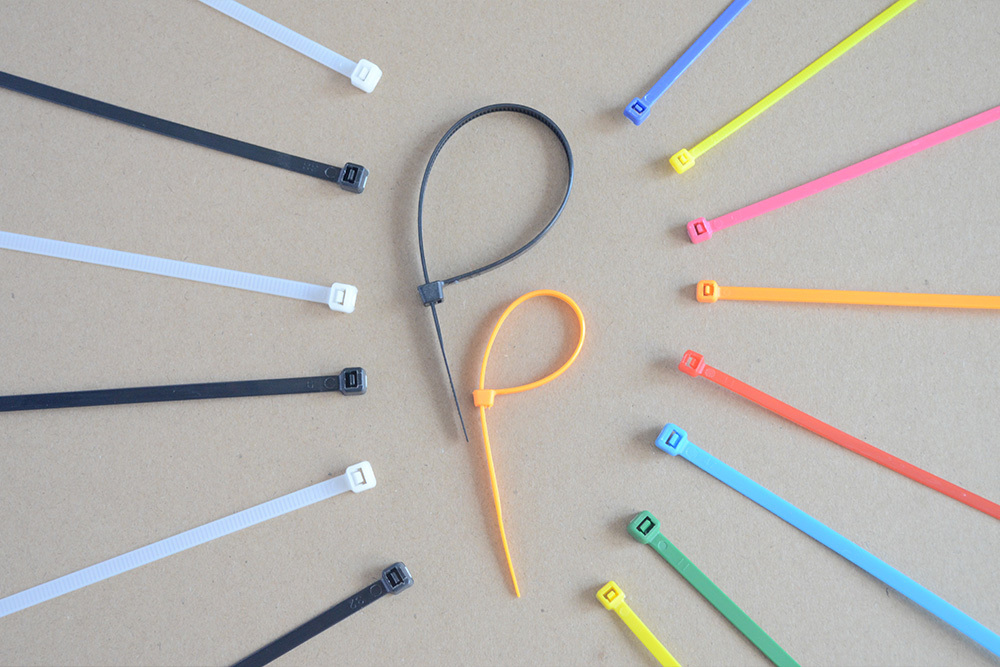
The choice of plastic cable ties plays a pivotal role in the success of layered binding. Opt for cable ties that are made from high-quality, durable materials such as nylon. These ties should be able to withstand the environmental conditions they will be exposed to, including temperature variations, humidity, and UV radiation. Additionally, consider the size and strength of the cable ties based on the diameter and weight of the wire harness. A tie that is too small may not provide adequate support, while one that is too large could be unsightly and may not hold the wires securely.
Step-by-Step Guide to Layered Binding with Plastic Cable Ties
Step 1: Organize Wires into Layers
Begin by carefully sorting the wires in the harness according to their function, voltage level, or any other relevant criteria. For instance, you might want to separate power wires from control wires or group wires that serve a particular component together. Once sorted, arrange these wire groups into distinct layers. The number of layers will depend on the complexity and size of the wire harness. Ensure that each layer is neatly aligned and that there is minimal overlap between layers to maintain clarity and ease of access.
Step 2: Secure Each Layer Individually
With the wires organized into layers, the next step is to secure each layer individually using plastic cable ties. Start from one end of the harness and work your way towards the other, placing a cable tie at regular intervals along the length of each layer. The spacing between cable ties should be consistent and appropriate for the size and weight of the wire group. When tightening the cable ties, ensure that they are snug but not overly tight, as this could damage the wire insulation or cause the ties to break prematurely.
Step 3: Combine Layers and Secure the Entire Harness
After securing each layer individually, it's time to combine them into a single, cohesive wire harness. Carefully stack the layers on top of each other, ensuring that they are aligned properly. Then, use additional plastic cable ties to secure the entire harness at strategic points along its length. These ties should be placed at intervals that provide adequate support and stability to the harness, preventing it from sagging or becoming loose over time. When combining layers, pay attention to the overall shape and contour of the harness to ensure that it fits neatly within its intended space.
Tips for Achieving Optimal Results with Layered Binding
Maintain Consistency in Binding Technique
Consistency is key when it comes to layered binding with plastic cable ties. Use the same type and size of cable ties throughout the harness to maintain a uniform appearance. Additionally, apply the same level of tension when tightening each tie to ensure that all wire groups are held equally securely. This consistency not only enhances the visual appeal of the harness but also contributes to its overall reliability and performance.
Consider Future Maintenance and Upgrades
When designing and binding a multi-strand wire harness, it's important to think ahead and consider future maintenance and upgrade requirements. Leave enough slack in the wires to allow for easy repositioning or replacement if necessary. Also, ensure that the binding points are accessible and that the cable ties can be easily removed and replaced without damaging the wires or the harness structure. By taking these factors into account, you can create a wire harness that is not only functional and aesthetically pleasing but also adaptable to changing needs.
Test the Harness for Stability and Security
Before installing the bound wire harness in its final location, it's advisable to test it for stability and security. Gently tug on the wires and cable ties to ensure that they are firmly attached and that there is no movement or looseness. If any issues are detected, make the necessary adjustments to the binding technique or the placement of the cable ties. This testing phase helps to identify and resolve potential problems before they can cause damage or disrupt the operation of the electrical system.
plastic cable ties
Previous Page
Hot News
2026-04-10
No More Brittleness: All-Weather Performance Ties for Extreme Environments
Tired of cable ties snapping in cold or dry weather? Our impact-modified PA66 ties are engineered for all-weather performance, ensuring maximum flexibility and reliability from Australia to Northern Europe。
2026-01-19
Electric Cable Tie Gun Operating Instructions
An electric cable tie gun is a handy tool that simplifies the process of securing cable ties, making it faster and more efficient compared to manual methods. Whether you're working on electrical installations, organizing cables in a data center, or bundling items for shipping, understanding how to properly use an electric cable tie gun is essential. Here's a detailed guide to help you get started.
2026-01-18
The precise tension control method for cable guns
When working with cable tie guns, achieving the right tension is crucial for ensuring secure and professional-looking installations. Whether you're bundling cables, securing equipment, or organizing items, precise tension control prevents over-tightening, which can damage delicate components, and under-tightening, which may lead to loosening over time. Here are some effective methods to help you master precise tension control with a cable tie gun.
2026-01-18
The technique for cutting plastic cable ties using diagonal pliers
Plastic cable ties are widely used for bundling and securing items, but cutting them cleanly and safely requires the right approach, especially when using diagonal cutting pliers. Here are some practical techniques to ensure efficient and precise cutting every time.
2026-01-17
Selection of plastic cable ties cutting tools
When working with plastic cable ties, having the right cutting tool ensures efficiency, safety, and a clean finish. Whether you're organizing cables, securing items, or managing DIY projects, choosing the appropriate tool for trimming excess cable tie material is essential. Here’s a detailed breakdown of the key factors to consider when selecting a plastic cable tie cutting tool.