
18
2026
-
01
The technique for cutting plastic cable ties using diagonal pliers
Author:
Essential Techniques for Cutting Plastic Cable Ties with Diagonal Cutting Pliers
Plastic cable ties are widely used for bundling and securing items, but cutting them cleanly and safely requires the right approach, especially when using diagonal cutting pliers. Here are some practical techniques to ensure efficient and precise cutting every time.
Proper Grip and Hand Positioning
Holding the Pliers Correctly
To achieve maximum control and leverage, grip the diagonal cutting pliers firmly in your dominant hand. Place your thumb on one handle and your fingers on the other, ensuring a comfortable yet secure hold. Avoid gripping too tightly, as this can cause fatigue during extended use. Instead, maintain a relaxed grip that allows for smooth, controlled movements.
Positioning Your Hand for Precision
When cutting plastic cable ties, position your hand close to the joint of the pliers. This provides better leverage and allows you to apply more force with less effort. For thinner cable ties, you can hold the pliers slightly further back on the handles to reduce the cutting force and prevent accidental damage to the item being secured.
Supporting the Cable Tie
Before cutting, use your non-dominant hand to stabilize the cable tie. Hold it near the point where you intend to cut, ensuring it doesn't move or slip during the process. This is particularly important when working with longer or more flexible cable ties, as they can easily bend or twist, making it difficult to achieve a clean cut.
Cutting Technique for Clean Results
Applying Even Pressure
When cutting a plastic cable tie, apply even pressure to both handles of the diagonal cutting pliers. Squeeze the handles slowly and steadily, allowing the blades to gradually slice through the plastic. Avoid applying sudden or excessive force, as this can cause the cable tie to break unevenly or leave sharp edges behind.
Cutting at the Right Angle
For the cleanest cut, position the blades of the pliers at a slight angle to the cable tie. This helps to create a smooth, beveled edge rather than a flat, jagged one. Aim to cut the cable tie just above the locking mechanism, leaving a minimal amount of excess plastic. This not only improves the appearance but also reduces the risk of the sharp edges causing injury or damaging nearby surfaces.
Making Multiple Passes if Necessary
If the cable tie is particularly thick or tough, you may need to make multiple passes with the pliers to cut through it completely. Start by applying light pressure to create a small indentation in the plastic. Then, gradually increase the pressure with each subsequent pass until the cable tie is severed. This method helps to prevent the blades from slipping or the cable tie from breaking unexpectedly.
Handling Different Types of Plastic Cable Ties
Thin and Flexible Cable Ties
Thin and flexible cable ties are commonly used for light-duty applications, such as organizing cables or securing small items. When cutting these types of cable ties, use a lighter grip on the pliers and apply less force to avoid crushing or deforming the plastic. You can also use the tips of the pliers for more precise cutting in tight spaces.
Thick and Rigid Cable Ties
Thick and rigid cable ties are designed for heavier-duty applications, such as securing large bundles of cables or fastening items in outdoor environments. These cable ties require more force to cut, so grip the pliers firmly and apply steady pressure. If the cable tie is too thick to cut with a single squeeze, use the multiple-pass technique described above.
Reinforced Cable Ties
Reinforced cable ties, which often have metal wires embedded in the plastic, are even more challenging to cut. When dealing with these types of cable ties, ensure your diagonal cutting pliers are in good condition and have sharp blades. Apply maximum force while cutting, and be prepared to make several passes to sever the cable tie completely. If possible, position the reinforced part of the cable tie away from the item being secured to minimize the risk of damage.
Safety Precautions
Wearing Protective Gear
When cutting plastic cable ties, always wear appropriate protective gear, such as safety glasses, to protect your eyes from flying plastic shards. If you're working with a large number of cable ties or in a confined space, consider wearing gloves to protect your hands from sharp edges.
Keeping Fingers Clear of the Cutting Area
To avoid accidental cuts or injuries, keep your fingers clear of the cutting area at all times. Never place your fingers near the blades of the pliers while they are in use, and be mindful of the position of the cable tie to ensure it doesn't slip and come into contact with your skin.
Disposing of Cut Cable Ties Properly
After cutting plastic cable ties, dispose of them properly to prevent them from becoming a hazard. Collect the cut pieces in a container or bag and dispose of them in the trash or recycling bin, depending on the local regulations. Avoid leaving cut cable ties on the ground or in work areas where they could be stepped on or cause tripping hazards.
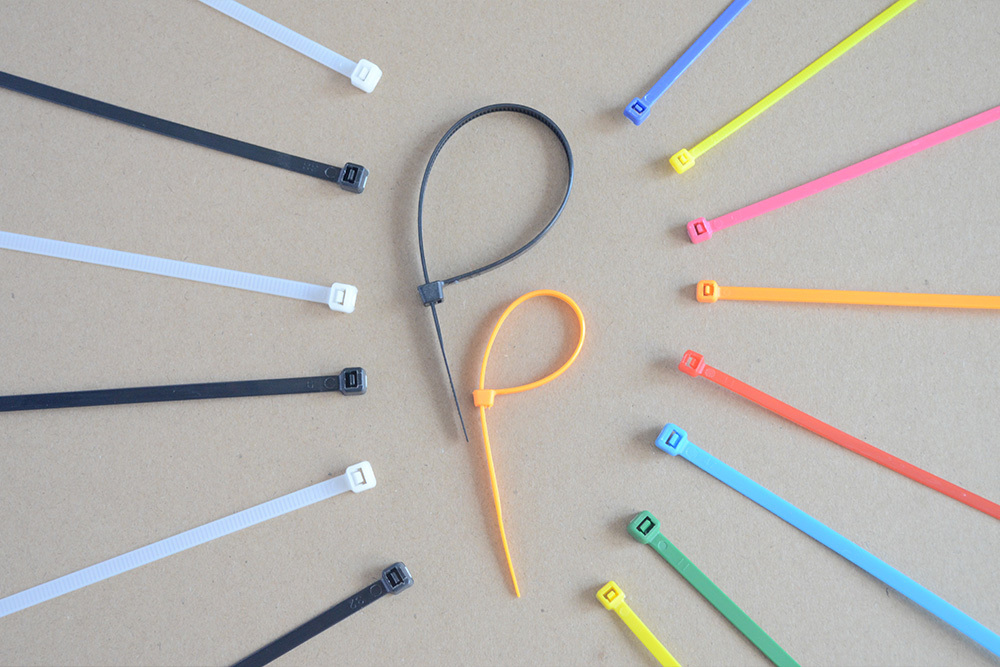
plastic cable ties
Previous Page
Previous Page
Hot News
2026-09-15
Ultimate Guide to Nylon Cable Ties: Sizes, Applications, and Selection Criteria
Explore the ultimate guide to nylon cable ties. Learn about PA66 material properties, comprehensive size & tensile strength charts, and outdoor UV applications.
2026-08-28
PA6 vs PA66 for Nylon Cable Ties: How to Choose the Right Material
PA6 and PA66 are two commonly considered materials for nylon cable ties. This guide compares their mechanical performance, heat resistance, toughness, moisture absorption, processing characteristics, cost, and application suitability to help buyers select the right material for their requirements.
2026-04-10
No More Brittleness: All-Weather Performance Ties for Extreme Environments
Tired of cable ties snapping in cold or dry weather? Our impact-modified PA66 ties are engineered for all-weather performance, ensuring maximum flexibility and reliability from Australia to Northern Europe。
2026-01-19
Electric Cable Tie Gun Operating Instructions
An electric cable tie gun is a handy tool that simplifies the process of securing cable ties, making it faster and more efficient compared to manual methods. Whether you're working on electrical installations, organizing cables in a data center, or bundling items for shipping, understanding how to properly use an electric cable tie gun is essential. Here's a detailed guide to help you get started.
2026-01-18
The precise tension control method for cable guns
When working with cable tie guns, achieving the right tension is crucial for ensuring secure and professional-looking installations. Whether you're bundling cables, securing equipment, or organizing items, precise tension control prevents over-tightening, which can damage delicate components, and under-tightening, which may lead to loosening over time. Here are some effective methods to help you master precise tension control with a cable tie gun.