
30
2025
-
12
Baby stroller accessories are fixed with plastic cable ties
Author:
Securely Fastening Stroller Accessories with Plastic Zip Ties: A Practical Guide
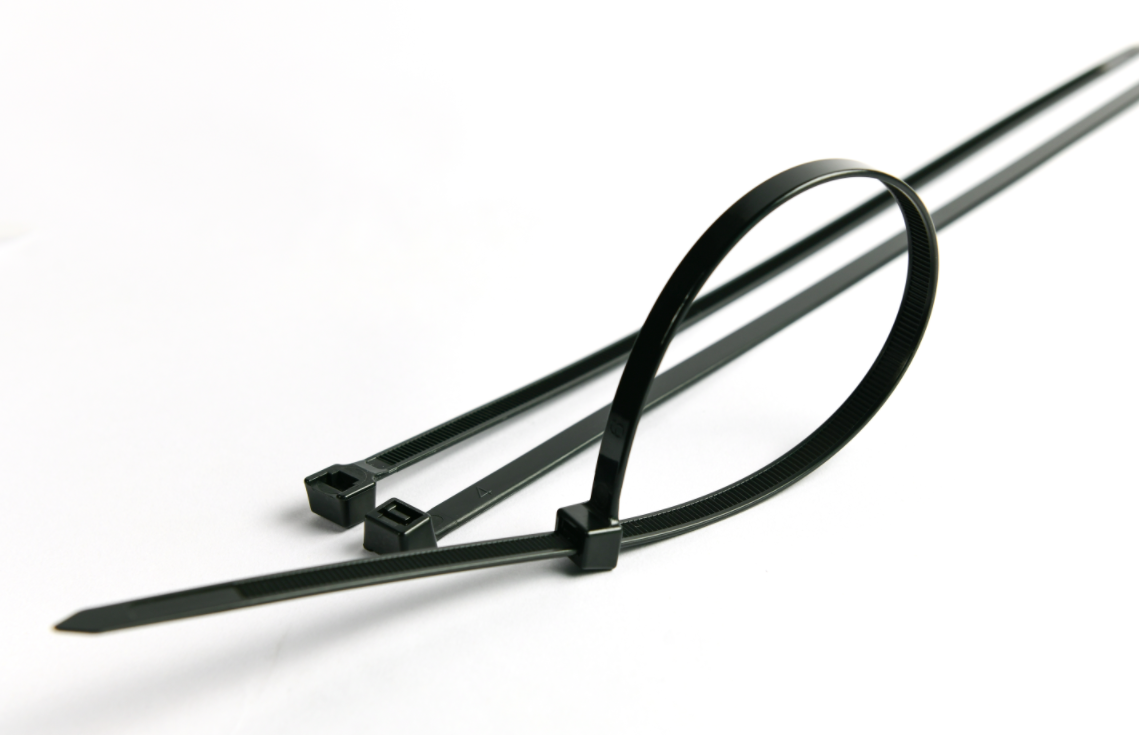
Plastic zip ties are a simple yet effective solution for securing accessories to strollers, ensuring safety and convenience during outings. Whether attaching toys, blankets, or storage bags, these versatile tools provide a reliable hold without requiring specialized equipment. Here’s how to use them correctly for stroller accessory installation.
Identifying Stroller Accessories That Benefit from Zip Tie Fastening
Before attaching zip ties, assess which accessories need securing. Common items include plush toys, hanging organizers, cup holders, or sunshades. Choose accessories with loops, holes, or flat surfaces where zip ties can grip without slipping. Avoid fragile or irregularly shaped items that might break under pressure.
For lightweight accessories like soft toys or lightweight bags, standard zip ties work well. Heavier items, such as metal cup holders or thick blankets, require thicker, more durable ties to prevent sagging or detachment.
Pro Tip: Test the accessory’s weight by holding it manually before attaching it to the stroller to ensure the zip tie can support it during movement.
Selecting the Appropriate Zip Tie Size and Material for Stroller Use
Zip ties come in various widths and lengths, so choose one that matches the accessory’s size and the stroller’s frame. For narrow stroller bars or small accessories, 4- to 6-inch zip ties provide a snug fit without excess bulk. Larger strollers or bulkier items may need 8- to 12-inch ties for proper anchoring.
Opt for weather-resistant plastic zip ties if the stroller will be used outdoors frequently. These resist fading, cracking, or weakening from sunlight or rain, ensuring long-term durability. Flexible ties are also preferable, as they contour to the stroller’s shape without creating sharp edges.
Application Example: A parent used 6-inch weather-resistant zip ties to attach a lightweight toy arch to their stroller, keeping it secure during walks without obstructing the child’s view.
Attaching Lightweight Accessories with Single Zip Ties for Quick Installation
For small, lightweight accessories like pacifier clips or small toys, a single zip tie offers a fast and secure solution. Start by positioning the accessory where you want it on the stroller frame, ensuring it doesn’t interfere with folding mechanisms or safety features.
Thread the zip tie through a hole or loop on the accessory, then wrap it around the stroller bar. Pull the tail through the locking mechanism, leaving enough slack to adjust the accessory’s position but tight enough to prevent movement. Trim any excess tail with scissors for a neat finish.
Innovative Use Case: A caregiver attached a small sensory toy to a stroller handle using a single zip tie, providing entertainment for the child without adding clutter.
Securing Heavier Accessories with Double-Wrapped Zip Tie Techniques
Heavier items like insulated cup holders or thick blankets require extra support to stay in place. Use a double-wrapped method by threading two zip ties through the accessory’s attachment points and around the stroller frame. Overlap the ties slightly to distribute weight evenly and prevent pulling.
For added stability, position the ties at different angles—one horizontal and one vertical—to create a cross-braced hold. This method works well for accessories that might shift during movement, such as storage baskets or hanging organizers.
Safety Note: Avoid over-tightening zip ties, as this could damage the stroller’s frame or the accessory. Leave a small amount of give for flexibility.
Creating Adjustable Accessory Mounts with Loose-Loop Zip Ties
If you need to reposition accessories frequently, such as adjusting a sunshade or moving a toy arch, use a loose-loop zip tie technique. Thread the zip tie through the accessory and around the stroller bar, but don’t pull it tight initially. Leave a large loop that can slide along the bar for easy adjustments.
This method allows you to change the accessory’s height or angle without cutting and replacing the zip tie. For example, you could move a hanging toy closer to the child during naptime or farther away during active play.
Pro Tip: Label loose-loop zip ties with a waterproof marker to indicate their purpose (e.g., “Sunshade Adjust” or “Toy Mount”) for quick reference during outings.
Reinforcing Zip Tie Attachments on Stroller Frames for Long-Term Use
For accessories that will remain attached for extended periods, reinforce the zip tie connections to prevent loosening. After securing the initial tie, add a second tie perpendicular to the first, creating an “X” shape across the attachment point. This cross-bracing distributes pressure more evenly and reduces the risk of detachment.
Alternatively, wrap a single zip tie around the stroller bar and the accessory multiple times, layering the ties for added strength. This works well for accessories with smooth surfaces, such as plastic cup holders or metal frames.
Application Example: A family reinforced the attachment of their stroller’s rain cover using cross-braced zip ties, ensuring it stayed in place during windy walks.
Maintaining and Replacing Zip Ties on Stroller Accessories
Regularly inspect zip ties for signs of wear, such as cracking, stretching, or discoloration, especially after exposure to heat or moisture. Replace any damaged ties immediately to prevent accessories from falling off unexpectedly.
To remove old zip ties, cut them off with scissors or wire cutters, then install new ones following the same attachment techniques. For strollers used daily, check zip ties every few weeks, as frequent handling can loosen their grip over time.
Innovative Maintenance Hack: Keep a small zip-lock bag of spare zip ties in your stroller’s storage compartment, along with a pair of scissors, for quick repairs during outings.
By mastering these techniques, you can use plastic zip ties to create secure, customizable attachments for stroller accessories. Their affordability and versatility make them an ideal solution for keeping essentials within reach while ensuring safety and convenience during every outing.
plastic cable ties
Hot News
2025-12-30
Baby stroller accessories are fixed with plastic cable ties
Plastic zip ties are a simple yet effective solution for securing accessories to strollers, ensuring safety and convenience during outings. Whether attaching toys, blankets, or storage bags, these versatile tools provide a reliable hold without requiring specialized equipment. Here’s how to use them correctly for stroller accessory installation.
2025-12-30
The method of plastic cable ties for toy classification
Plastic zip ties are a versatile tool for organizing toys, from small action figures to bulky building sets. Their strength and adjustability make them ideal for creating neat bundles, securing loose parts, or attaching toys to storage systems. Here’s how to use them effectively for toy classification and organization.
2025-12-29
Installation of plastic cable ties for trash can handles
Plastic zip ties, commonly used for bundling or securing items, can be repurposed as durable handles for trash bins, making them easier to carry and reducing strain on your hands. This simple upgrade works for bins of various sizes and materials, from lightweight plastic to heavier metal containers. Here’s how to install them correctly for long-lasting functionality.
2025-12-29
The grid plate is used to fix the plastic cable ties
Plastic zip ties, known for their versatility in bundling and fastening, are an excellent tool for securing mesh panels in various settings, from industrial workspaces to home DIY projects. Whether you’re installing safety barriers, organizing storage areas, or reinforcing structural components, understanding the right techniques ensures durability and stability. Here’s a detailed approach to using zip ties effectively for mesh panel applications.