
15
2025
-
12
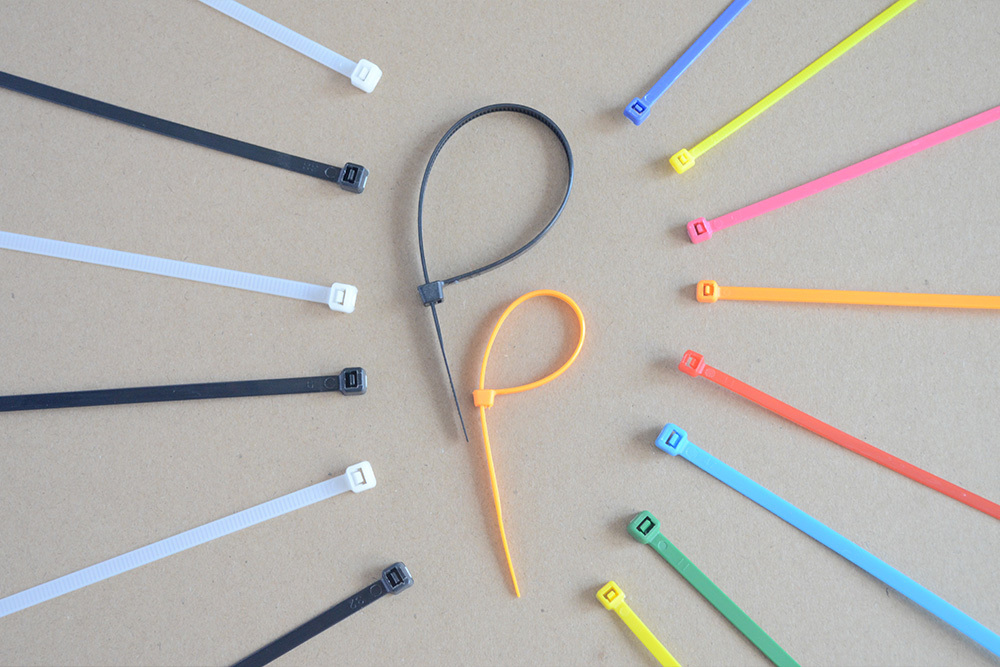
Standard strapping steps for plastic cable ties
Author:
Standard Procedures for Securing Items with Plastic Strapping
Preparation Before Strapping
Proper preparation ensures optimal performance and prevents damage during the bundling process. Begin by selecting strapping material suited to the load’s weight and environmental conditions. For lightweight items like cardboard boxes, narrow strapping (3–5mm width) is sufficient, while heavier loads such as machinery parts require wider strapping (8–12mm). Inspect the strapping for defects like cracks, uneven edges, or discoloration, which could compromise strength.
Clear the workspace of debris or sharp objects that might puncture the strapping during tensioning. Ensure the load is stable and evenly distributed to avoid shifting during the process. For irregularly shaped items, use padding materials like foam or cardboard to create a flat surface, improving strapping contact and reducing slippage risks.
Step-by-Step Tensioning Techniques
Start by wrapping the strapping around the load, leaving at least 15cm of excess material for securing. For manual applications, feed the strapping through a tensioning tool designed for the chosen width. Position the tool perpendicular to the strapping to apply even pressure, then pull the handle or crank to tighten the strap. Avoid over-tensioning, which can deform fragile items or cause the strapping to snap.
In automated systems, align the load with the strapping chute to ensure consistent placement. Adjust the tension settings based on the load’s weight and fragility. For example, delicate electronics may require lower tension (50–100N) compared to metal components (200–500N). Monitor the tensioning process to detect slippage or uneven distribution, which could indicate improper alignment or worn components.
For cross-strapping applications, repeat the process in the opposite direction to create an “X” pattern. This method enhances stability for loads prone to tipping, such as stacked pallets or cylindrical objects. Ensure both straps are tensioned equally to maintain balance and prevent one strap from bearing disproportionate force.
Securing and Sealing Methods
Once tensioned, secure the strapping using friction-based or mechanical seals. Friction seals, common in manual applications, rely on the strapping’s texture to grip itself when folded. To create a friction seal, fold the excess strapping back onto itself at a 90-degree angle, then press firmly to lock it in place. This method is quick but less secure for heavy loads.
Mechanical seals, such as metal clips or plastic buckles, provide stronger fastening for industrial applications. Position the seal at the center of the overlap, then use a crimping tool to compress it onto the strapping. Ensure the seal is fully closed to prevent slippage. For reusable systems, use locking buckles that allow for easy adjustment without cutting the strapping.
In high-security environments, apply tamper-evident seals that break or change color if disturbed. These are useful for transporting valuable goods or sensitive materials. After sealing, trim excess strapping with diagonal cutters, leaving 2–3cm of material to prevent sharp edges. Smooth any rough edges with a file or sandpaper to protect handlers from cuts.
Post-Strapping Inspection and Adjustment
After securing the load, inspect the strapping for proper alignment and tension. Check for gaps between the strapping and the load, which could indicate insufficient tension or improper placement. Gently tug the strapping to confirm it holds firmly without stretching or loosening.
For long-term storage or transportation, re-check the strapping after 24 hours. Temperature fluctuations or vibrations may cause gradual loosening, especially in humid or cold environments. If adjustments are needed, use a tensioning tool to tighten the strapping or add additional layers for extra support.
Document the strapping process, including tension settings, seal types, and inspection results, for quality control purposes. This record-keeping helps identify patterns in strapping failures or load instability, enabling process improvements over time. Regularly calibrate tensioning tools and replace worn seals to maintain consistent performance across batches.
plastic cable ties
Previous Page
Hot News
2025-12-15
Plastic cable tie threading operation skills
Essential Techniques for Threading Plastic Cable Ties Efficiently Proper Hand Positioning and Grip Control Mastering hand placement is critical for smooth threading. Hold the cable tie head firmly between your thumb and index finger, keeping the tail end aligned with your workspace. For narrow ties (3–5mm width), use a pincer grip to maintain precision, while wider ties (8–12mm) require a full-hand grasp to distribute pressure evenly. Avoid bending the tail excessively, as this can create kinks that hinder threading. When working in tight spaces, rotate your wrist slightly to adjust the angle of the tie. This maneuver helps navigate corners or gaps without forcing the material, which could weaken its locking mechanism. For overhead applications, stabilize your elbow against a surface to reduce hand fatigue and improve accuracy. Grip strength matters during initial insertion. Apply moderate pressure to push the tail through the head’s locking gear, but avoid squeezing too hard, which may deform the plastic. If resistance occurs, wiggle the tail gently while maintaining forward momentum to ease it through the channel. Navigating Tight Spaces and Complex Configurations Threading cable ties through confined areas demands strategic planning. Start by assessing the path’s layout, identifying potential obstructions like wires, pipes, or structural components. For straight-line threading, align the tie’s tail with the intended route before inserting it into the head, minimizing mid-process adjustments. In multi-angle setups, such as bundling cables around a corner, use a staggered approach. Thread the tie partially through the first opening, then rotate the head to align with the next segment. This step-by-step method prevents the tail from binding against obstacles. For loops or circular patterns, create a small bend at the tail’s tip to guide it through the head more easily. When dealing with overlapping materials, like securing layers of insulation, separate the components slightly to create a clear threading path. Insert the tie between the layers at a 45-degree angle, then level it out as you pull it through. This technique reduces friction and ensures the tie sits flush against the surface. Managing Threading Resistance and Preventing Jams Resistance during threading often stems from misalignment or material deformation. If the tail gets stuck, avoid pulling backward, as this can worsen the jam. Instead, gently twist the head clockwise or counterclockwise while applying light forward pressure. The rotational motion helps realign the locking gear with the tail’s ridges. Lubrication can reduce friction in stubborn cases. Apply a small amount of silicone-based spray or dry lubricant to the tail’s surface, focusing on the area near the head. Avoid oil-based products, which may attract dust or degrade the plastic over time. After lubricating, wipe away excess residue to maintain a clean threading path. Preventative measures minimize jams before they occur. Inspect the head’s locking gear for debris or burrs that could obstruct the tail. Use a needle or thin tool to clear any blockages gently. Additionally, store cable ties in a dry, cool environment to prevent warping, which alters their dimensions and complicates threading. Optimizing Threading Speed for High-Volume Tasks Efficiency improves with practice and ergonomic adjustments. Develop a rhythm by threading multiple ties in sequence without pausing between each step. For repetitive tasks, position components within easy reach to reduce movement time. Use a tray or magnetic holder to organize ties by size, ensuring quick access during assembly. Pre-threading techniques save time in bulk applications. For example, when securing bundles of cables, lay the ties out in advance and thread them loosely around the group before tightening. This approach allows you to adjust positions quickly without rethreading each tie individually. Leverage tool-assisted methods for heavy-duty projects. Tensioning devices with built-in threading guides streamline the process by aligning the tail automatically as you pull. These tools are particularly useful for wide or high-tension ties, where manual threading requires significant effort.
2025-12-15
Standard strapping steps for plastic cable ties
Proper preparation ensures optimal performance and prevents damage during the bundling process. Begin by selecting strapping material suited to the load’s weight and environmental conditions. For lightweight items like cardboard boxes, narrow strapping (3–5mm width) is sufficient, while heavier loads such as machinery parts require wider strapping (8–12mm). Inspect the strapping for defects like cracks, uneven edges, or discoloration, which could compromise strength.
2025-12-14
The size of agricultural plastic cable ties is compatible
Agricultural plastic strapping is designed to accommodate varying crop sizes and bundling requirements. For lightweight applications like bundling vegetable stems or herb stalks, narrow strapping widths of 3–4mm paired with lengths of 100–150mm provide sufficient strength without over-tightening. These dimensions prevent damage to delicate plant tissues while maintaining secure fastening during transportation or storage.
2025-12-14
Specification requirements for plastic cable ties of medical devices
Medical-grade plastic strapping must comply with ISO 10993 standards for biocompatibility, ensuring no cellular toxicity, skin irritation, or allergic reactions. Polypropylene (PP) and polyethylene (PE) are commonly used due to their chemical inertness, which prevents degradation when exposed to disinfectants, bodily fluids, or pharmaceuticals. For high-temperature sterilization processes, polyphenylsulfone (PPSU) is preferred as it withstands 121°C without deformation, maintaining structural integrity for surgical instrument packaging.