
08
2025
-
12
Recommended specifications of plastic cable ties for home storage
Author:
Practical Guide to Plastic Cable Ties for Home Organization
Understanding Material Differences for Specific Needs
When selecting plastic cable ties for home organization, material composition directly impacts durability and functionality. Nylon-based cable ties, engineered from polyamide (PA6 or PA66), offer superior resistance to temperature fluctuations (-40°C to 85°C) and physical stress. These ties maintain flexibility even after repeated bending, making them ideal for outdoor applications like securing garden hoses or bundling patio furniture.
In contrast, polyethylene (PE) or polypropylene (PP) ties, while cost-effective, have limitations. They typically withstand temperatures between -10°C and 50°C, making them suitable only for indoor use. Their rigid structure increases brittleness over time, especially when exposed to UV light or heavy loads. For example, organizing kitchen utensils or lightweight crafting materials may not require the robustness of nylon, but securing heavy-duty tools or outdoor equipment demands higher-grade materials.
The choice between materials also affects environmental adaptability. Nylon ties resist moisture absorption, preventing mold growth in humid spaces like basements or bathrooms. PE/PP ties, however, may degrade faster in damp conditions, leading to premature breakage.
Selecting Sizes Based on Organizational Tasks
The dimensions of cable ties determine their versatility across different organizational scenarios. Widths ranging from 3mm to 8mm cater to varying bundle sizes, while lengths from 100mm to 500mm accommodate both compact and expansive arrangements.
For lightweight tasks such as grouping charging cables or securing small tools, narrow ties (3mm–4mm width) provide sufficient strength without bulk. These ties easily fit into drawers or toolboxes, ensuring quick access during daily routines.
Medium-width ties (5mm–6mm) balance flexibility and load capacity, making them ideal for organizing medium-weight items like kitchen appliances, sports equipment, or seasonal decorations. Their length (200mm–300mm) allows for secure bundling without excessive slack.
Wide ties (7mm–8mm) excel in heavy-duty applications, such as securing large boxes, bundling garden stakes, or stabilizing furniture during moves. Their extended lengths (400mm–500mm) ensure ample coverage for bulky items, while the reinforced material prevents stretching under pressure.
Leveraging Color Coding for Enhanced Efficiency
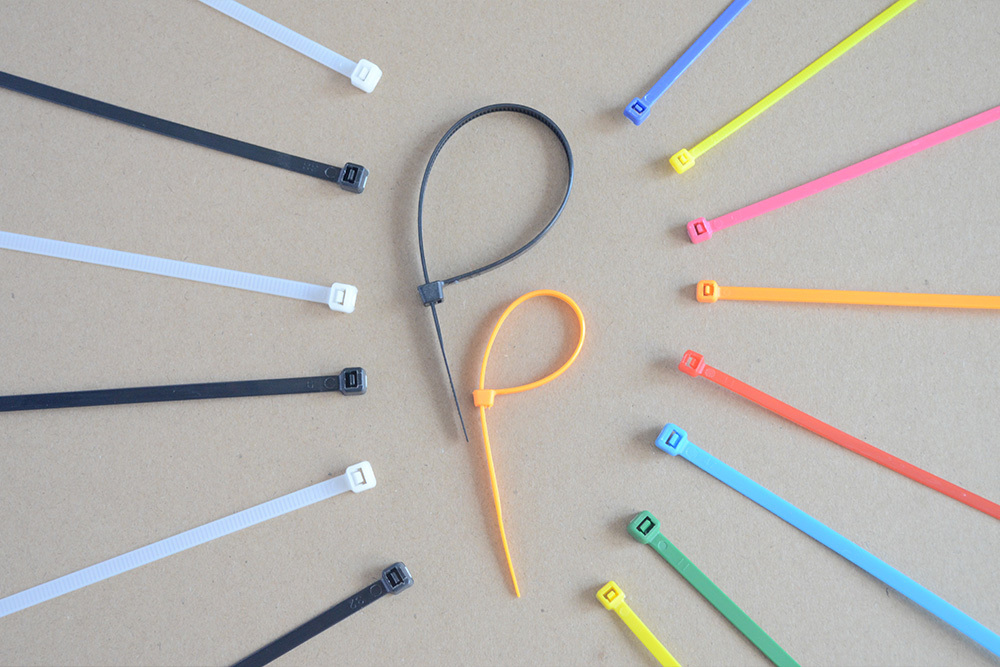
Color-coded cable ties transform chaotic spaces into visually structured environments. Assigning specific colors to categories simplifies identification, reducing time spent searching for items.
In home offices, red ties could mark power cords, blue ties for data cables, and green for audio-visual equipment. This system ensures quick reconnection of devices after rearrangements or cleaning. Similarly, in garages, yellow ties might designate automotive tools, orange for gardening supplies, and purple for seasonal decorations.
Color coding also enhances safety in shared spaces. For instance, using bright ties to secure loose wires near walkways prevents tripping hazards, while distinct colors can indicate hazardous materials storage areas.
Beyond functionality, color-coded ties add aesthetic appeal. A rainbow-hued arrangement of ties in craft rooms or children’s play areas creates a cheerful, organized atmosphere. This visual harmony encourages maintenance of tidy spaces, as users are more likely to return items to their designated spots when the system is both practical and visually pleasing.
Advanced Techniques for Maximizing Utility
Cable ties offer creative solutions beyond basic bundling. For example, looping multiple ties together forms custom-length straps, perfect for securing irregularly shaped items like rolled-up yoga mats or camping gear. Attaching ties to hooks or rails creates adjustable hanging systems for pots, pans, or cleaning supplies.
In bathrooms, a tie fixed to a toilet seat handle acts as a hygienic lifting tool, minimizing contact with germs. Similarly, securing a tie around a showerhead allows for hands-free rinsing of pets or children.
For outdoor maintenance, ties with UV-resistant coatings prevent degradation from sunlight, ensuring long-term use in gardens or balconies. Their waterproof nature also makes them suitable for organizing poolside accessories or securing inflatable toys.
By exploring these unconventional applications, users unlock the full potential of cable ties, transforming them from simple fasteners into indispensable organizational tools.
plastic cable ties
Previous Page
Hot News
2025-12-08
Selection of plastic cable ties for gardening
The effectiveness of plastic cable ties in gardening hinges on matching their dimensions to the specific needs of plants. Length determines how much space the tie can cover, while width influences its load-bearing capacity. For instance, securing thin tomato stems to stakes requires shorter ties (100–150mm), whereas bundling multiple grapevine branches demands longer options (300–400mm). Width selection follows a similar logic: narrow ties (2–4mm) work for lightweight foliage, while wider variants (6–8mm) resist pulling forces from heavy fruits or wind exposure.
2025-12-08
Recommended specifications of plastic cable ties for home storage
When selecting plastic cable ties for home organization, material composition directly impacts durability and functionality. Nylon-based cable ties, engineered from polyamide (PA6 or PA66), offer superior resistance to temperature fluctuations (-40°C to 85°C) and physical stress. These ties maintain flexibility even after repeated bending, making them ideal for outdoor applications like securing garden hoses or bundling patio furniture.
2025-12-05
The specifications of plastic cable ties for vibration scenarios are compatible
When securing components in environments with constant or intermittent vibration, choosing the correct plastic cable tie specifications is critical to ensuring long-term reliability and safety. Vibration can cause standard cable ties to loosen, fatigue, or break over time, leading to equipment damage or operational disruptions. This guide explores key factors to consider when selecting cable ties for vibration-heavy settings, covering material properties, mechanical design, and installation techniques.
2025-12-05
Material selection for plastic cable ties in chemical environments
When selecting plastic cable ties for chemical environments, the choice of material directly impacts performance, durability, and safety. Different chemical agents—such as acids, alkalis, solvents, and salts—pose unique challenges, requiring materials with tailored resistance properties. This guide explores three primary material options for chemical-resistant cable ties, analyzing their strengths, limitations, and ideal applications.