
26
2025
-
08
Home storage tips for plastic cable ties
Author:
Plastic Zip Ties for Home Organization: Creative and Efficient Storage Solutions
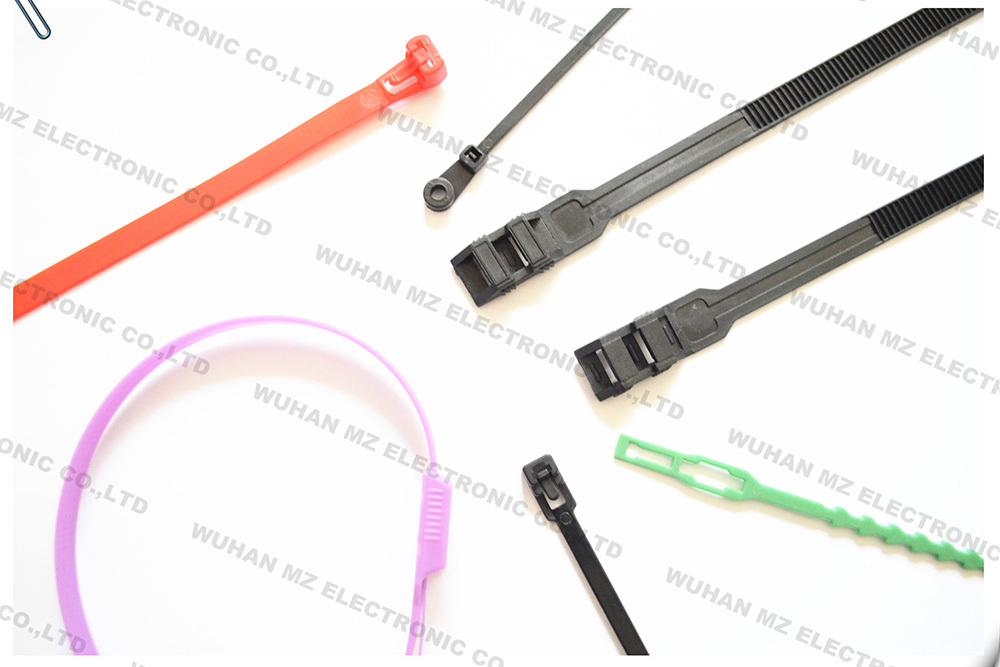
Plastic zip ties, often underestimated as simple fasteners, are versatile tools for tackling clutter in every room of the house. Their durability, flexibility, and low cost make them ideal for creating custom storage systems, securing loose items, and optimizing space without permanent installations. Below are practical ways to incorporate zip ties into home organization projects, addressing common challenges like tangled cords, disorganized shelves, and shifting decor.
Tidying Up Cables and Electronics
Tangled charging cords, entertainment system wires, and appliance plugs can quickly turn a workspace or living area into chaos. Use zip ties to bundle cables neatly along desk legs, entertainment centers, or behind furniture. Loop ties around groups of wires, leaving enough slack near connectors to avoid strain when unplugging devices. For a polished look, trim excess tie ends flush with the lock to prevent snags.
To manage cables under desks or TV stands, attach zip ties to the underside of surfaces using adhesive hooks or small screws. Thread cables through the ties in a straight line, securing them at intervals to create a clean, accessible pathway. This method reduces dust buildup and makes it easier to identify specific cords during troubleshooting or upgrades.
For frequently moved electronics, such as laptops or portable speakers, create adjustable cable holders using zip ties and Velcro strips. Wrap a tie around the cable near the plug, then attach a Velcro strip to the tie and another to the device or furniture. This allows for quick removal without untangling knots, perfect for shared workspaces or family rooms.
Organizing Closets and Wardrobes
Closets often suffer from overflowing hangers, tangled scarves, and misplaced accessories. Use zip ties to create custom storage solutions that maximize vertical and horizontal space. For example, attach multiple ties to a closet rod at equal intervals, then loop scarves or belts through the ties to keep them separated and visible. Adjust the spacing based on item thickness to prevent creasing.
To optimize shoe storage, repurpose a hanging shoe organizer by reinforcing its shelves with zip ties. Thread ties through the organizer’s fabric loops and around a sturdy rod or hook, ensuring the shelves remain level and can hold heavier footwear. This prevents sagging and extends the organizer’s lifespan in high-traffic closets.
For small accessories like hats, gloves, or jewelry, fashion a hanging grid using zip ties and a lightweight wire frame. Attach ties horizontally and vertically across the frame, creating compartments of varying sizes. Hang the grid on a closet wall or door using additional ties, keeping seasonal items within reach without cluttering drawers.
Securing Loose Items in Kitchens and Pantries
Kitchens and pantries are prone to shifting containers, rolling lids, and disorganized utensils. Use zip ties to anchor lightweight items and prevent messes. For example, secure loose pot lids by attaching ties to the lid handles and looping them around a tension rod installed inside a cabinet. This keeps lids upright and easy to grab without rattling.
To organize reusable shopping bags, create a compact storage system by folding bags into squares and threading a zip tie through their handles. Hang the bundled bags from a hook or rod using the tie’s loop, ensuring they stay grouped together instead of sprawling across shelves. This method also works for storing wrapping paper or craft paper rolls.
For pantry items like snack bags or spice packets, repurpose a plastic file organizer by attaching zip ties to its sides and hanging it on a cabinet door. Slide items into the organizer’s slots, using ties to adjust the width of each compartment as needed. This keeps frequently used items visible and prevents them from getting buried under heavier goods.
Best Practices for Safe and Effective Use
- Avoid over-tightening: Ensure zip ties are snug but not constricting, especially when securing cables or delicate fabrics, to prevent damage or restricted movement.
- Use non-marking ties: Choose ties with smooth surfaces to prevent scratches on painted walls, wooden furniture, or electronic devices when adjusting or removing them.
- Inspect regularly: Check zip ties in high-stress areas, such as those holding heavy items or exposed to sunlight, and replace any that show signs of wear or stretching.
By leveraging plastic zip ties for home organization, you can transform cluttered spaces into functional, visually appealing environments tailored to your lifestyle. Their adaptability allows for endless customization, making them a must-have tool for DIY enthusiasts and anyone seeking practical, low-cost storage solutions.
plastic cable ties
Previous Page
Previous Page
Hot News
2026-09-15
Ultimate Guide to Nylon Cable Ties: Sizes, Applications, and Selection Criteria
Explore the ultimate guide to nylon cable ties. Learn about PA66 material properties, comprehensive size & tensile strength charts, and outdoor UV applications.
2026-08-28
PA6 vs PA66 for Nylon Cable Ties: How to Choose the Right Material
PA6 and PA66 are two commonly considered materials for nylon cable ties. This guide compares their mechanical performance, heat resistance, toughness, moisture absorption, processing characteristics, cost, and application suitability to help buyers select the right material for their requirements.
2026-04-10
No More Brittleness: All-Weather Performance Ties for Extreme Environments
Tired of cable ties snapping in cold or dry weather? Our impact-modified PA66 ties are engineered for all-weather performance, ensuring maximum flexibility and reliability from Australia to Northern Europe。
2026-01-19
Electric Cable Tie Gun Operating Instructions
An electric cable tie gun is a handy tool that simplifies the process of securing cable ties, making it faster and more efficient compared to manual methods. Whether you're working on electrical installations, organizing cables in a data center, or bundling items for shipping, understanding how to properly use an electric cable tie gun is essential. Here's a detailed guide to help you get started.
2026-01-18
The precise tension control method for cable guns
When working with cable tie guns, achieving the right tension is crucial for ensuring secure and professional-looking installations. Whether you're bundling cables, securing equipment, or organizing items, precise tension control prevents over-tightening, which can damage delicate components, and under-tightening, which may lead to loosening over time. Here are some effective methods to help you master precise tension control with a cable tie gun.