
22
2025
-
08
Plastic cable ties for pet supplies fixation
Author:
Securing Pet Supplies with Plastic Zip Ties: Safe and Practical Solutions for Pet Owners
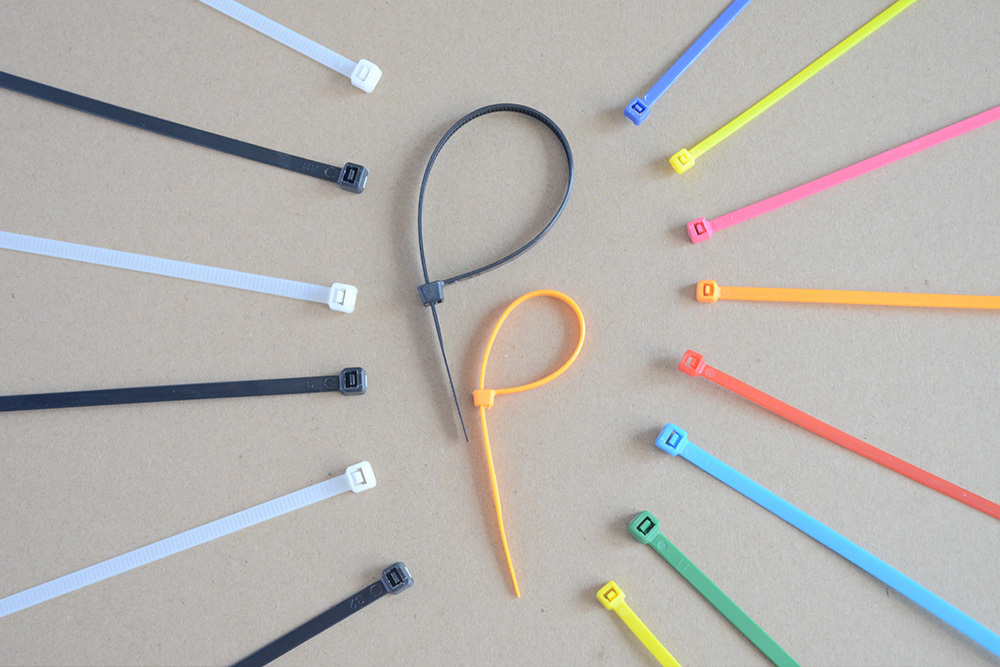
Plastic zip ties are a cost-effective tool for organizing and securing pet-related items, from cage accessories to outdoor gear. However, ensuring pet safety requires careful selection, proper application, and regular maintenance. Below are actionable strategies to use zip ties effectively without compromising your pet’s well-being.
Creating Safe Enclosures and Barriers
Zip ties are ideal for reinforcing wire cages, playpens, or fencing to prevent pets from escaping or getting stuck. When attaching toys, perches, or ramps inside enclosures, use ties to anchor items firmly without creating sharp edges. For example, loop ties through mesh openings and around toy frames, pulling them tight enough to stay secure but loose enough to avoid bending wires or cracking plastic.
If you’re building a temporary outdoor barrier for small animals like rabbits or guinea pigs, weave zip ties horizontally between vertical stakes to close gaps. Trim excess ends flush with the tie body to prevent pets from chewing or swallowing loose plastic. Always inspect the barrier daily for weakened ties or signs of wear.
Organizing Cords and Accessories in Pet Spaces
Pets often chew or play with loose cords, posing electrical or choking hazards. Use zip ties to bundle cables from heated beds, aquarium filters, or automatic feeders into neat, compact groups. Secure the ties close to the plug or device to avoid creating dangling loops that pets might grab.
For hanging accessories like bird toys or cat scratching posts, attach ties to sturdy hooks or ceiling mounts. Ensure the ties are rated for the weight of the item and check them weekly for stretching or fraying. Replace any ties showing signs of damage immediately to prevent accidents.
Repairing and Reinforcing Pet Gear
Broken leashes, collars, or carrier handles can be temporarily fixed with zip ties until a permanent replacement is available. For instance, if a leash clip breaks, thread a tie through the leash’s loop and the collar’s D-ring, pulling it tight to create a secure connection. Avoid using ties on areas where your pet chews frequently, as ingesting plastic can cause digestive issues.
When reinforcing soft carriers or crates, use ties to mend torn mesh or reattach loose zippers. Double-check that the ties don’t obstruct ventilation holes or create pinch points. For added safety, cover repaired areas with a soft cloth to discourage chewing and protect your pet’s skin.
Key Safety Considerations
- Trim ends carefully: Use scissors or nail clippers to cut excess plastic flush with the tie’s lock to avoid sharp edges.
- Monitor for chewing: If your pet shows interest in gnawing on ties, replace them with chew-proof alternatives like metal clips or rope.
- Regular inspections: Check tied areas weekly for loosening, cracking, or fraying, especially in high-stress zones like cage doors or carrier handles.
By following these guidelines, pet owners can leverage the versatility of plastic zip ties to maintain a safe, organized environment without exposing animals to unnecessary risks. Always prioritize your pet’s habits and behaviors when choosing where and how to use these fasteners.
plastic cable ties
Previous Page
Previous Page
Hot News
2026-09-15
Ultimate Guide to Nylon Cable Ties: Sizes, Applications, and Selection Criteria
Explore the ultimate guide to nylon cable ties. Learn about PA66 material properties, comprehensive size & tensile strength charts, and outdoor UV applications.
2026-08-28
PA6 vs PA66 for Nylon Cable Ties: How to Choose the Right Material
PA6 and PA66 are two commonly considered materials for nylon cable ties. This guide compares their mechanical performance, heat resistance, toughness, moisture absorption, processing characteristics, cost, and application suitability to help buyers select the right material for their requirements.
2026-04-10
No More Brittleness: All-Weather Performance Ties for Extreme Environments
Tired of cable ties snapping in cold or dry weather? Our impact-modified PA66 ties are engineered for all-weather performance, ensuring maximum flexibility and reliability from Australia to Northern Europe。
2026-01-19
Electric Cable Tie Gun Operating Instructions
An electric cable tie gun is a handy tool that simplifies the process of securing cable ties, making it faster and more efficient compared to manual methods. Whether you're working on electrical installations, organizing cables in a data center, or bundling items for shipping, understanding how to properly use an electric cable tie gun is essential. Here's a detailed guide to help you get started.
2026-01-18
The precise tension control method for cable guns
When working with cable tie guns, achieving the right tension is crucial for ensuring secure and professional-looking installations. Whether you're bundling cables, securing equipment, or organizing items, precise tension control prevents over-tightening, which can damage delicate components, and under-tightening, which may lead to loosening over time. Here are some effective methods to help you master precise tension control with a cable tie gun.