
23
2025
-
11
Pin-type plastic cable tie locking mechanism
Author:
Understanding the Locking Mechanism of Push-Pin Plastic Cable Ties
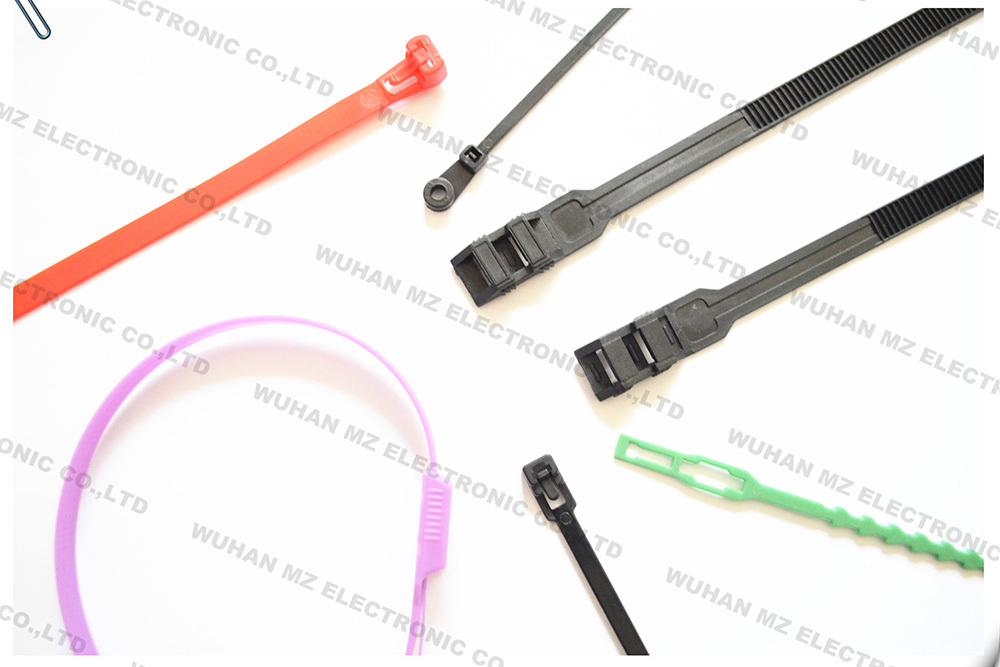
Push-pin plastic cable ties, also known as snap-lock or quick-release ties, are designed for rapid and secure fastening in applications ranging from cable management to temporary bundling. Their unique locking mechanism relies on a combination of physical design and material properties to ensure reliability.
The core of the system lies in the push-pin feature integrated into the head of the tie. This pin acts as a manual release mechanism, allowing users to disengage the locking teeth without cutting the tie. When the tail of the tie is inserted into the head, the ratchet teeth on the tail interact with a pawl inside the head, creating a one-way locking action. The push-pin, when pressed, lifts the pawl, releasing the teeth and enabling the tie to be loosened or removed entirely.
This design offers a balance between security and convenience, making it ideal for scenarios where frequent adjustments or reusability are required. The materials used, typically durable plastics like nylon or polypropylene, ensure the mechanism withstands repeated use without degrading.
Key Components of the Locking System
The effectiveness of push-pin plastic cable ties hinges on three primary components:
- Ratchet Teeth on the Tail: These small, angled teeth are molded into the tail of the tie. Their shape and spacing determine the tightness of the loop and prevent backward movement once engaged.
- Pawl Inside the Head: The pawl is a spring-loaded component that fits into the grooves between the ratchet teeth. It allows the tail to move forward during tightening but blocks reverse motion, securing the tie in place.
- Push-Pin Release: Positioned on the top or side of the head, the push-pin is connected to the pawl. Pressing it disengages the pawl from the teeth, enabling the tie to be loosened or removed.
Each component must be precisely engineered to ensure smooth operation. For instance, the angle of the ratchet teeth must complement the pawl’s shape to prevent slippage, while the push-pin’s placement should allow easy access without compromising structural integrity.
How the Mechanism Ensures Security and Reusability
The locking mechanism of push-pin plastic cable ties is engineered to provide both security and reusability, addressing two critical needs in fastening applications.
- Security Through One-Way Engagement: The ratchet teeth and pawl create a self-locking system that tightens as force is applied. This ensures the tie remains securely fastened even under vibration or tension, preventing accidental loosening.
- Reusability via Manual Release: The push-pin allows users to disengage the locking mechanism without damaging the tie. This is particularly useful in temporary installations or scenarios where adjustments are frequent, such as in event setups or prototyping.
The materials used further enhance these properties. High-strength plastics resist wear and tear, ensuring the mechanism functions reliably over multiple cycles. Some designs incorporate flexible yet rigid polymers that maintain their shape under stress while allowing the push-pin to operate smoothly.
Applications and Practical Considerations
Push-pin plastic cable ties are versatile tools used across various industries due to their unique locking mechanism.
- Cable Management: In data centers or office environments, these ties are used to organize and secure bundles of cables. Their reusability allows for easy reconfiguration as systems are upgraded or expanded.
- Temporary Fastening: Construction sites and event venues often rely on push-pin ties for temporary bundling of materials or equipment. The ability to quickly release and reuse ties streamlines workflows and reduces waste.
- Light-Duty Applications: For securing lightweight objects like hoses, ropes, or small tools, push-pin ties offer a cost-effective and efficient solution. Their manual release feature makes them safer than permanent ties in scenarios where frequent access is needed.
When selecting push-pin ties, consider factors such as the diameter of the objects being secured, the expected tension, and the environmental conditions (e.g., temperature, exposure to chemicals). While these ties are durable, extreme conditions may require specialized materials or alternative fastening methods.
Maintenance and Troubleshooting
To ensure the longevity and reliability of push-pin plastic cable ties, proper maintenance and troubleshooting are essential.
- Regular Inspection: Check ties for signs of wear, such as cracked plastic or misaligned teeth. Damaged ties should be replaced immediately to avoid failure.
- Cleaning: In dusty or dirty environments, debris can accumulate in the locking mechanism, hindering operation. Gently clean the head and tail with a soft brush or compressed air to remove particles.
- Lubrication: While not always necessary, a small amount of silicone-based lubricant can be applied to the pawl and ratchet teeth if the mechanism feels stiff. Avoid oil-based lubricants, as they may attract dirt.
If the push-pin becomes stuck or fails to release the tie, do not force it. Instead, inspect for obstructions or damage. In some cases, gently wiggling the pin while pressing may resolve the issue. If the problem persists, replace the tie to ensure safety.
By understanding the locking mechanism and following these guidelines, users can maximize the performance and lifespan of push-pin plastic cable ties in their applications.
plastic cable ties
Previous Page
Hot News
2026-09-15
Ultimate Guide to Nylon Cable Ties: Sizes, Applications, and Selection Criteria
Explore the ultimate guide to nylon cable ties. Learn about PA66 material properties, comprehensive size & tensile strength charts, and outdoor UV applications.
2026-08-28
PA6 vs PA66 for Nylon Cable Ties: How to Choose the Right Material
PA6 and PA66 are two commonly considered materials for nylon cable ties. This guide compares their mechanical performance, heat resistance, toughness, moisture absorption, processing characteristics, cost, and application suitability to help buyers select the right material for their requirements.
2026-04-10
No More Brittleness: All-Weather Performance Ties for Extreme Environments
Tired of cable ties snapping in cold or dry weather? Our impact-modified PA66 ties are engineered for all-weather performance, ensuring maximum flexibility and reliability from Australia to Northern Europe。
2026-01-19
Electric Cable Tie Gun Operating Instructions
An electric cable tie gun is a handy tool that simplifies the process of securing cable ties, making it faster and more efficient compared to manual methods. Whether you're working on electrical installations, organizing cables in a data center, or bundling items for shipping, understanding how to properly use an electric cable tie gun is essential. Here's a detailed guide to help you get started.
2026-01-18
The precise tension control method for cable guns
When working with cable tie guns, achieving the right tension is crucial for ensuring secure and professional-looking installations. Whether you're bundling cables, securing equipment, or organizing items, precise tension control prevents over-tightening, which can damage delicate components, and under-tightening, which may lead to loosening over time. Here are some effective methods to help you master precise tension control with a cable tie gun.