
20
2025
-
08
Quick disassembly tips for plastic cable ties
Author:
How to Remove Plastic Zip Ties Quickly and Safely: Practical Techniques
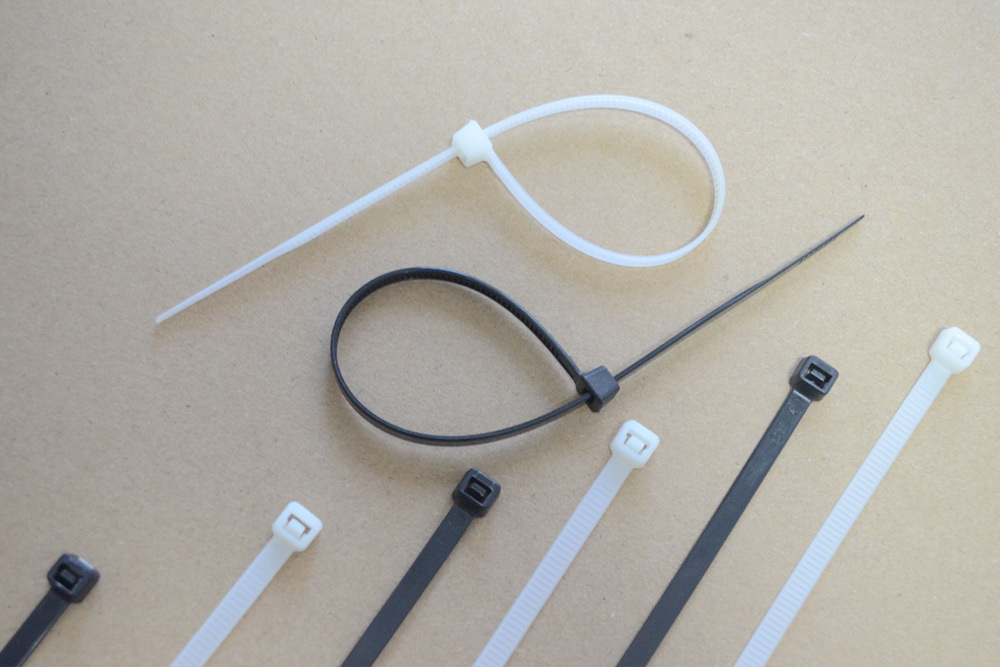
Plastic zip ties are widely used for securing items, but removing them without damage can be tricky. Whether you’re dealing with tightened ties on cables, packages, or DIY projects, knowing efficient removal methods saves time and frustration. Below are effective strategies to tackle this common challenge.
Using Household Tools for Easy Release
A flat-head screwdriver or a similar thin, sturdy tool can help release the locking mechanism without cutting the tie. Insert the tool’s tip between the locking tab and the ridged strap, then gently pry upward while pulling the strap backward. This disengages the teeth, allowing the tie to slide open. For best results, apply steady pressure to avoid breaking the tool or the tie.
If a screwdriver isn’t available, a paperclip or safety pin can serve as an alternative. Straighten one end of the paperclip and bend it into a small hook. Slide the hook under the locking tab and lift it slightly while wiggling the strap free. This method requires patience but works well for delicate tasks where precision matters.
Manual Techniques for Quick Removal
For a no-tool approach, try rotating the tie’s head. Hold the strap firmly with one hand and twist the locking head in a circular motion using your other hand. The friction can loosen the grip of the teeth, making it easier to slide the strap out. This technique is most effective on moderately tightened ties and requires minimal effort.
Another manual method involves applying pressure to the tie’s body. Bend the strap backward near the locking head to create slack, then use your fingernail or a blunt object to push the ridges away from the locking tab. Once the grip weakens, pull the strap through gently. This approach works best on thinner ties and avoids leaving sharp edges.
Cutting Methods Without Damaging Surfaces
When cutting is unavoidable, use nail clippers or small wire cutters to snip the tie cleanly. Position the blades close to the locking head to minimize leftover plastic. For surfaces like painted wood or fabric, place a thin cardboard shield between the tie and the material to prevent accidental scratches. Always cut away from your body to avoid injury.
If you lack specialized cutters, scissors with fine tips can also work. Open the blades wide and position them at the base of the tie’s head. Squeeze gently to avoid slipping, then snip through the plastic. This method may require multiple attempts but is safer than using larger tools.
Preventing Future Challenges with Proper Application
To reduce the need for forceful removal, avoid over-tightening zip ties during installation. Leave a small gap between the strap and the locking head to allow for easy adjustment later. If reusability is a priority, consider using adjustable ties with a built-in release mechanism, though these are less common in standard designs.
Storing ties in a cool, dry place prevents them from becoming brittle, which can complicate removal. Moisture or extreme temperatures may weaken the plastic, making it prone to snapping during cutting or prying. Proper storage extends their lifespan and ensures smoother handling.
By mastering these techniques, you can handle plastic zip ties confidently without resorting to brute force or specialized equipment. Whether you’re working on a quick fix or a complex project, these methods prioritize efficiency and safety.
plastic cable ties
Previous Page
Previous Page
Hot News
2026-09-15
Ultimate Guide to Nylon Cable Ties: Sizes, Applications, and Selection Criteria
Explore the ultimate guide to nylon cable ties. Learn about PA66 material properties, comprehensive size & tensile strength charts, and outdoor UV applications.
2026-08-28
PA6 vs PA66 for Nylon Cable Ties: How to Choose the Right Material
PA6 and PA66 are two commonly considered materials for nylon cable ties. This guide compares their mechanical performance, heat resistance, toughness, moisture absorption, processing characteristics, cost, and application suitability to help buyers select the right material for their requirements.
2026-04-10
No More Brittleness: All-Weather Performance Ties for Extreme Environments
Tired of cable ties snapping in cold or dry weather? Our impact-modified PA66 ties are engineered for all-weather performance, ensuring maximum flexibility and reliability from Australia to Northern Europe。
2026-01-19
Electric Cable Tie Gun Operating Instructions
An electric cable tie gun is a handy tool that simplifies the process of securing cable ties, making it faster and more efficient compared to manual methods. Whether you're working on electrical installations, organizing cables in a data center, or bundling items for shipping, understanding how to properly use an electric cable tie gun is essential. Here's a detailed guide to help you get started.
2026-01-18
The precise tension control method for cable guns
When working with cable tie guns, achieving the right tension is crucial for ensuring secure and professional-looking installations. Whether you're bundling cables, securing equipment, or organizing items, precise tension control prevents over-tightening, which can damage delicate components, and under-tightening, which may lead to loosening over time. Here are some effective methods to help you master precise tension control with a cable tie gun.